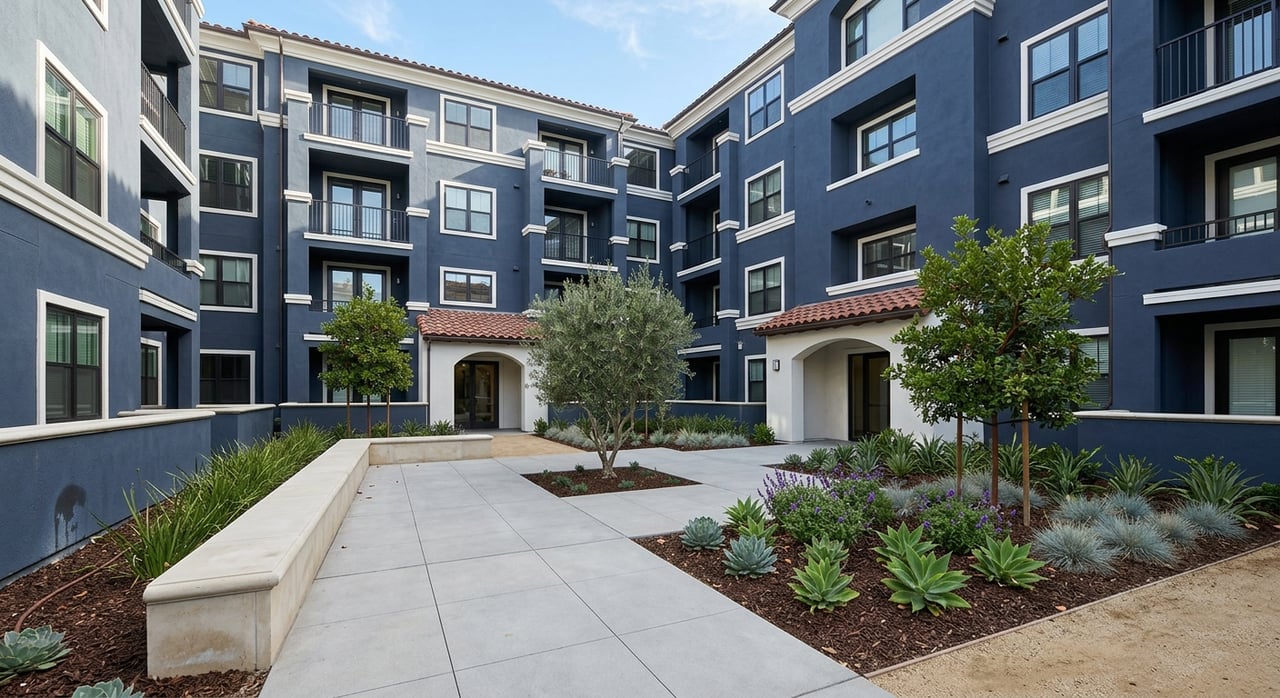
Emeryville Condo Buying Guide For First-Time Owners
June 18, 2026
June 18, 2026
Buying your first place in the East Bay can feel like a math problem, a lifestyle choice, and a legal review all at once. If you are considering a condo in Emeryville, that mix is especially real because price, HOA dues, and commute fit can matter just as much as the unit itself. The good news is that Emeryville can offer a practical path into homeownership if you know what to evaluate before you write an offer. Let’s dive in.
Emeryville is a compact city between Oakland and Berkeley, and that small footprint shapes how people live there. The city describes itself as just over one square mile in the center of the Bay Area urban core, which helps explain why condo living and transit access play such a big role in the local housing experience.
For first-time buyers, that can be a real advantage. If you want lower-maintenance living, easier access to transit, and a more urban setup, Emeryville offers a different entry point than many nearby markets.
Current condo listings show 31 condos for sale in Emeryville with a median listing price of about $483,000. Homes are typically on the market for 51 days and receive about 2 offers, which suggests a market that is active but not as fast-moving as some nearby areas.
The current range is also broad. Active examples span from a $235,000 one-bedroom to a $799,000 two-bedroom loft, so first-time buyers may find both entry-level options and more design-forward properties in the same small city.
Compared with nearby condo markets, Emeryville currently sits below Berkeley and Alameda on median list price. Berkeley is around $649,000 and Alameda is around $599,000, while Oakland is closer to Emeryville at about $479,000.
That matters if you are trying to balance budget with location. Emeryville may give you a similar price point to Oakland while also offering a dense network of shuttle, rail, bus, and bike connections.
In California, a condo is part of a common interest development. That means you own your individual unit, and you also share an interest in common areas or have rights to use them.
This is important because the legal structure matters more than the building’s appearance. A building that looks like a standard apartment building may legally be a condominium, a community apartment, a stock cooperative, or another ownership form, so you should always verify what you are actually buying.
When you buy a condo, you automatically become part of the homeowners association. In California, HOAs are governed by the Davis-Stirling Common Interest Development Act, and they typically enforce the building’s CC&Rs, bylaws, and operating rules.
That means condo ownership is never just about your walls and finishes. It also includes shared financial obligations, shared rules, and shared decision-making.
For many first-time buyers, HOA dues are the line item that changes the whole picture. These monthly assessments usually fund building operations and reserve accounts, and they are typically paid separately from your mortgage.
Dues can range from a few hundred dollars per month to more than $1,000 per month. On top of that, true affordability includes property taxes, homeowner’s insurance, utilities, maintenance costs, and closing costs, which often run about 2% to 5% of the purchase price.
What you get for your dues can vary from building to building. In general, HOA budgets often include:
Some buildings may also charge separate user fees for amenities or facilities owned or controlled by the association. That is why you should ask not only how much the dues are, but also what they actually pay for.
A lower monthly HOA fee is not always a bargain. If reserves are weak or major repairs are coming, owners can face special assessments for extraordinary costs like large repairs or replacements.
California rules place limits on how much a board can increase regular assessments without member approval, and there are also limits on certain special assessments without member approval. Even so, the practical takeaway is simple: you want to know whether the building appears financially prepared for future work.
It is easy to get distracted by new floors, fresh paint, or a stylish kitchen. For a first-time condo buyer, the smarter questions are often about the building itself.
A well-presented unit in a poorly managed building can become expensive fast. A more modest unit in a financially stable building may be the better long-term choice.
Before you move forward, ask focused questions about the association and the property as a whole. A few of the most useful ones include:
These questions can tell you more about your future ownership experience than cosmetic details alone.
If a building was converted from apartments to condos, take your review seriously. Converted buildings can come with hidden repair needs that are not obvious during a showing, especially in systems like plumbing, electrical, or mechanical components.
That does not mean every conversion is a bad choice. It does mean you should pay close attention to building documents, reserve planning, and any signs of deferred maintenance.
For new subdivisions or condo conversions, California requires the developer to provide a public report before you sign a purchase contract. That report summarizes issues like location risks, services, title matters, contract terms, and HOA information.
More broadly, your review period matters. This is the time to study the public report, governing documents, and other association materials carefully so you understand both the benefits and the obligations of ownership.
One of Emeryville’s strongest selling points is mobility. The city lists Emery Go-Round as a free shuttle to BART, and it notes that Emeryville is 6 blocks from MacArthur BART and 2 miles from West Oakland BART.
The city also points to AC Transit service, Amtrak access through Emeryville station, and Bay Wheels bike share. If you want car-light living, that transportation mix can be a major plus.
Transit access on paper is helpful, but your day-to-day routine is what matters. Before you make an offer, it is worth checking the exact route and timing for your most common trips.
That is especially smart because transit patterns can change. Emeryville’s transportation information notes service changes and directs riders to trip-planning tools, so a quick real-world check can help you avoid surprises.
Emeryville often works well for buyers who want a compact urban setting and lower-maintenance ownership. If your priorities include proximity to transit, easier upkeep, and a practical first step into the market, condos here may line up with your goals.
If you want detached-home privacy, very limited association oversight, or lots of private outdoor space, your better fit may be in a different housing type or nearby area. The right answer depends on how you want to live, not just what looks good online.
If you are buying on your own, or you want reassurance about equal access in the process, Emeryville’s fair housing information is clear. Discrimination in housing rental, sales, and financing is prohibited by federal and state law, and the city lists protections that include gender, sexual orientation, gender identity or expression, marital status, source of income, and other characteristics.
That means solo buyers and women buyers have the same protections as any other buyer. You still want to evaluate finances, building rules, and lifestyle fit carefully, but the process should be approached on equal footing.
For many first-time buyers, Emeryville offers a realistic middle ground. It currently looks more accessible than Berkeley or Alameda on condo list price, while staying close to Oakland and offering strong transit connections in a very compact setting.
The key is doing the right homework before you commit. If you focus on HOA health, reserve strength, building type, dues, and commute fit, you will be in a much stronger position to choose a condo that supports your budget and your daily life.
If you want help comparing Emeryville condos, reviewing building trade-offs, or figuring out which option best fits your goals, Sharon Alva can guide you with clear local insight and hands-on support.
October 15, 2026
October 8, 2026
October 1, 2026
September 24, 2026

September 17, 2026

September 10, 2026

September 10, 2026
September 3, 2026

August 27, 2026
Get assistance in determining current property value, crafting a competitive offer, writing and negotiating a contract, and much more. Contact me today.