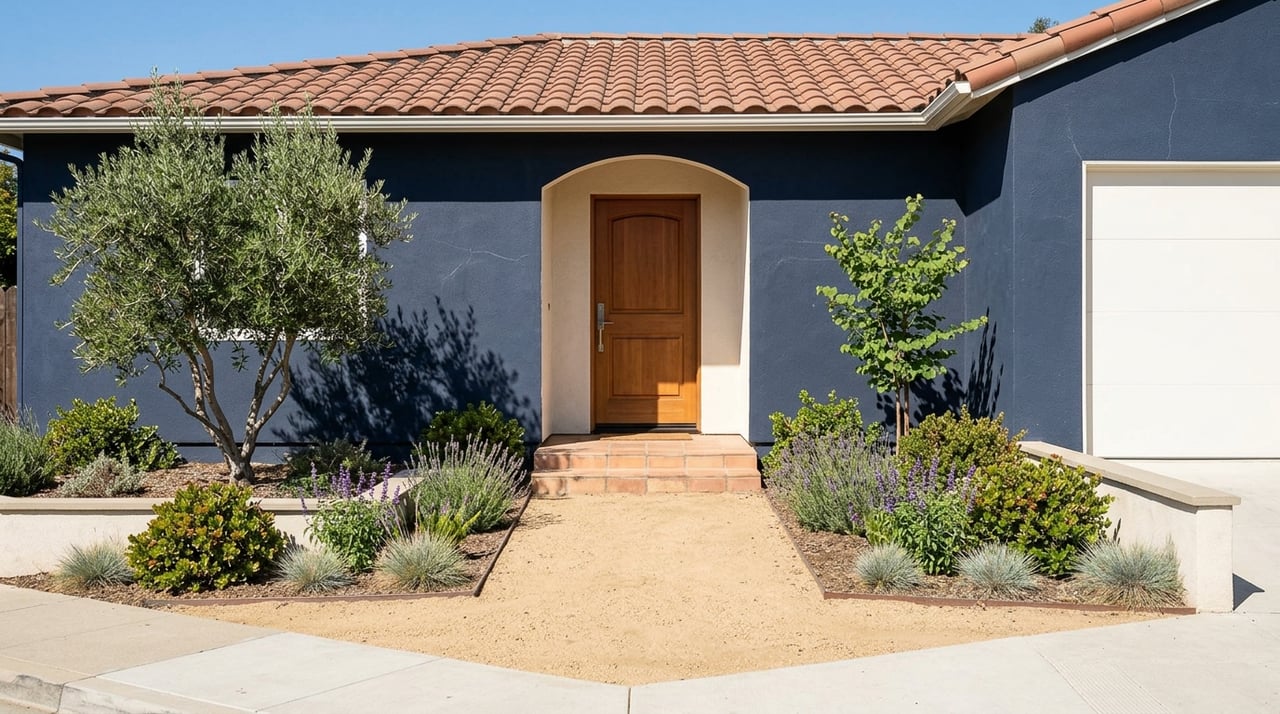
What It’s Like To Live In San Leandro
June 11, 2026
June 11, 2026
If you want East Bay access without the intensity of a denser urban core, San Leandro tends to surprise people. It offers a practical daily rhythm, a strong residential base, and real shoreline amenities, all while staying connected to the rest of the Bay Area. If you are comparing cities and trying to picture everyday life, this guide will help you understand how San Leandro feels, how it functions, and what kinds of homes and routines you can expect. Let’s dive in.
San Leandro sits in central Alameda County and has a reputation as one of the East Bay’s more diverse communities. ACS 2024 estimates place the population at 86,568 residents across 30,386 households, with an average household size of 2.8 and a median age of 42.5. Those numbers point to a city with a mix of life stages, from first-time buyers to long-time homeowners and downsizers.
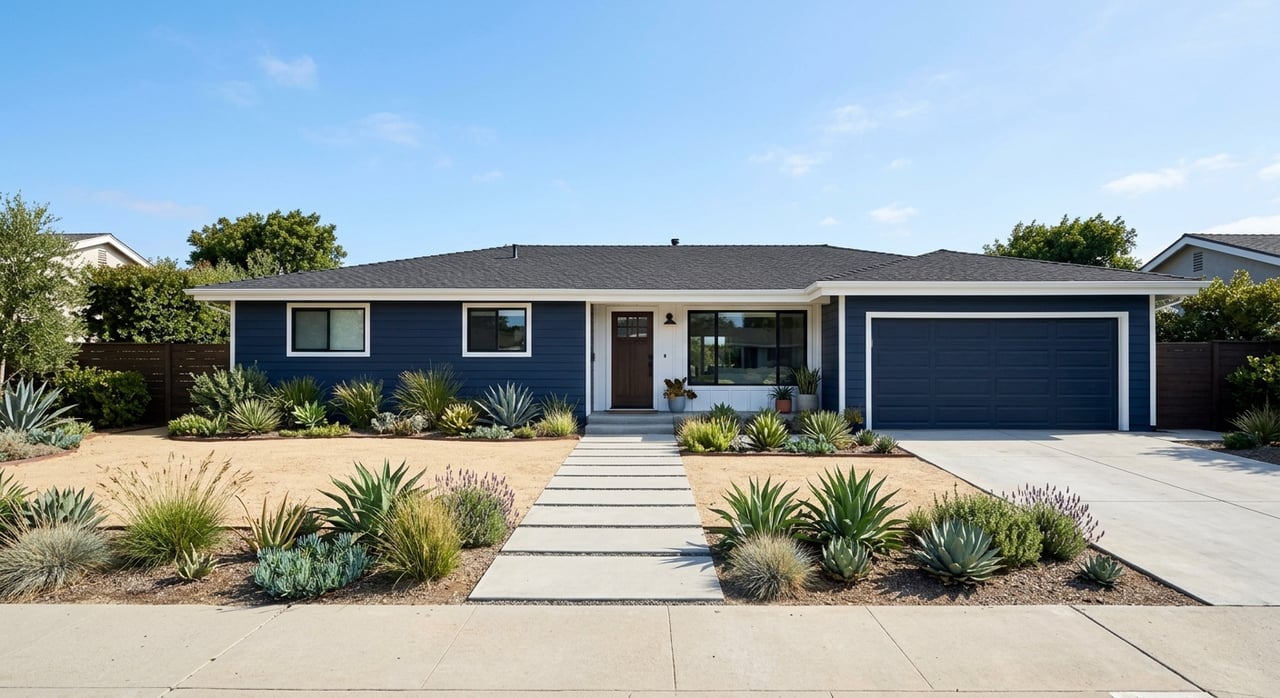
In broad terms, San Leandro often feels more suburban than some of its inner East Bay neighbors. Planning documents show that single-family residential use is the city’s dominant land pattern, while older housing is generally closer to downtown and multifamily housing is scattered throughout the city. That combination gives you a place that can feel established and residential without being disconnected from shopping, transit, or day-to-day conveniences.
One of the clearest things about living in San Leandro is that daily life tends to revolve around function as much as character. Instead of one single entertainment district, the city works through a set of commercial corridors and activity nodes that support errands, meals out, and regular routines. Main commercial corridors include East 14th Street, Washington Avenue, MacArthur Boulevard, and Hesperian Boulevard, with Bayfair Center and Davis Street serving as major retail anchors.
That matters because many buyers are not just asking whether a place is charming. You are also asking whether it works well on a Tuesday, whether you can run errands without much friction, and whether basic amenities are built into everyday life. In San Leandro, the answer is often yes.
Downtown San Leandro is the city’s most intentional pedestrian-oriented area. The city describes it as a district supported by maintenance and safety efforts, while local downtown materials highlight landscaped sidewalks, public plazas, boutiques, eateries, and cafes. It is less about a high-energy nightlife scene and more about having a useful, approachable center for regular use.
Downtown also includes practical infrastructure that supports that experience. There is a 384-space parking garage and about 3,000 paid public parking spaces, which can make visits feel easier than in busier East Bay districts. From April through October, a weekly farmers market runs on Wednesdays from 3 to 7 pm, adding a predictable community rhythm to the area.
San Leandro is often a strong option for people who want East Bay convenience with multiple transportation choices. The city is served by I-238, I-580, and I-880, and it also has BART and AC Transit service. BART stations include San Leandro, just west of downtown, and Bay Fair near Bayfair Center, and both connect with AC Transit.
The city also lists 511, FLEX Shuttle paratransit, and San Leandro Links, which is a free shuttle. General Plan materials note that most residences are within one-half mile of an AC Transit bus route. That helps explain why transit can feel like a realistic part of daily life here, not just a backup option.
For commuters, ACS 2024 estimates show a mean travel time to work of 31.3 minutes. Of course, your experience will depend on where you work and how you travel, but the larger point is that San Leandro gives you several ways to move around the East Bay and beyond.
A major part of the San Leandro lifestyle is its connection to the Bay shoreline. This is not just a city of residential blocks and shopping centers. It also has outdoor spaces that give you room to walk, bike, picnic, and spend time near the water.
The city says San Leandro has 21 public parks, while broader recreation materials count 23 parks and recreation facilities depending on how facilities are categorized. However you count them, parks are a visible part of everyday life. If outdoor access matters to you, San Leandro has more to offer than many people expect.
Marina Park is a 30-acre regional park along the shoreline and one of the city’s signature outdoor destinations. It includes picnic areas, barbeque grills, play apparatus, restrooms, an outdoor gym, a large lawn area, and a mile-long par course. For many residents, that kind of space shapes the feel of weekends and even simple after-work routines.
It is the kind of amenity that supports a wide range of lifestyles without needing to be overplanned. You can go for a walk, meet friends for a picnic, or just get outside for an hour. That flexibility is a big part of why shoreline access matters in real life.
More than six miles of the Bay Trail pass through San Leandro, connecting the city boundary with Roberts Landing, Heron Bay, and Marina Park. That trail access gives residents a meaningful outdoor feature that goes beyond a single park. It creates continuity along the shoreline and expands your options for walking, biking, and getting Bay views.
Nearby Oyster Bay Regional Shoreline adds even more outdoor value with hiking, picnicking, wildlife habitat, Bay views, and a two-mile paved Bay Trail loop. If you want a city that balances residential living with regular access to open-air spaces, this is one of San Leandro’s stronger points.
San Leandro’s shoreline is also part of the city’s future planning. San Leandro Shoreline Park is in design as a 9-acre public park with native landscaping, bike and pedestrian paths, a reflection lookout, and a boat launch. The city also notes that it owns about 950 acres of Bay shoreline and is planning additional public amenities near the northern shoreline, including a new library and a community park.
For buyers thinking long term, that signals ongoing public investment in this part of the city. It does not just tell you what San Leandro is today. It also gives some insight into how the city is trying to build on one of its most distinctive assets.
San Leandro’s dining and shopping patterns reflect the city’s diversity and its practical layout. Restaurants are spread across Parrott Street, East 14th Street, Hesperian Boulevard, Lewelling Boulevard, Floresta Boulevard, Monarch Bay Drive, Pelton Center Way, Marina Boulevard, Dutton Avenue, Bancroft Avenue, and West Juana Avenue. In other words, your options are not confined to one small district.
Major shopping centers include Bayfair Center, Greenhouse Marketplace, Marina Square Outlets, Pelton Plaza, and Westgate Shopping Center. That distributed pattern is helpful if your priority is convenience. You are less likely to think of San Leandro as a place built around one destination and more likely to experience it as a city with multiple useful pockets.
If you are wondering what kind of housing stock defines San Leandro, the answer is clear. ACS 2024 estimates show 32,204 housing units, with about 59% owner-occupied and a median owner-occupied home value of $851,400. The same ACS estimates show that 67% of housing units are in single-unit structures.
City housing-element data adds more detail. About 59.9% of homes are detached single-family, 6.1% are attached single-family or townhomes, 7.1% are in 2-to-4-unit buildings, 22.7% are in multifamily buildings with five or more units, and 2.8% are mobile homes. That mix matters because it gives buyers a realistic range of options while still preserving a strong single-family character across much of the city.
For many buyers, San Leandro offers a middle ground within the East Bay. You can find detached homes that support a more traditional residential feel, but you can also find condos, apartments, townhomes, and smaller multifamily properties. That makes the city relevant for first-time buyers, move-up buyers, downsizers, and some investors who want to stay in the inner East Bay conversation.
Historically, city data shows San Leandro has had a higher share of single-family detached homes than Oakland, Berkeley, Hayward, Fremont, and Alameda. That does not make one city better than another, but it does help explain why San Leandro often feels less dense in comparison. If your priorities include more space and a more residential street pattern while staying connected to the region, that is a meaningful distinction.
The Bay Fair area is a notable place to watch. The city and BART describe it as a transit-oriented development focus, with a more walkable and mixed-use future in planning. Over time, that could bring more transit-adjacent multifamily housing and a different feel in that part of the city.
For some buyers, that is a plus because it suggests continued investment and more housing choices near transit. For others, it simply means San Leandro is not static. Different parts of the city may evolve in different ways, and Bay Fair is one of the clearest examples.
San Leandro often appeals to people who want a city that is grounded and usable. If you value shoreline access, a strong base of single-family homes, practical shopping corridors, and easier-than-expected transit connections, it can check a lot of boxes. It may also appeal to buyers who want East Bay access without feeling like they have to choose a denser urban environment.
That said, the right fit always comes down to your routine. Some people want a neighborhood built around nightlife and constant activity. Others want a place where errands are manageable, outdoor access is built in, and the housing stock offers more room to spread out. San Leandro is often strongest for the second group.
The clearest way to describe San Leandro is balanced. It combines a strong single-family foundation, solid transportation access, shoreline amenities, and a downtown that supports everyday life without feeling overly intense. It is not trying to be the busiest or trendiest place in the East Bay.
Instead, San Leandro tends to work well for people who value a city that feels livable, connected, and grounded in daily practicality. If that sounds like the kind of place you want to call home, San Leandro deserves a close look.
If you are trying to decide whether San Leandro fits your goals, neighborhood priorities, and budget, Sharon Alva can help you compare options with clear, local guidance.
July 23, 2026
July 16, 2026
July 16, 2026
July 9, 2026
July 9, 2026
July 9, 2026
July 9, 2026
July 2, 2026
June 25, 2026
Get assistance in determining current property value, crafting a competitive offer, writing and negotiating a contract, and much more. Contact me today.