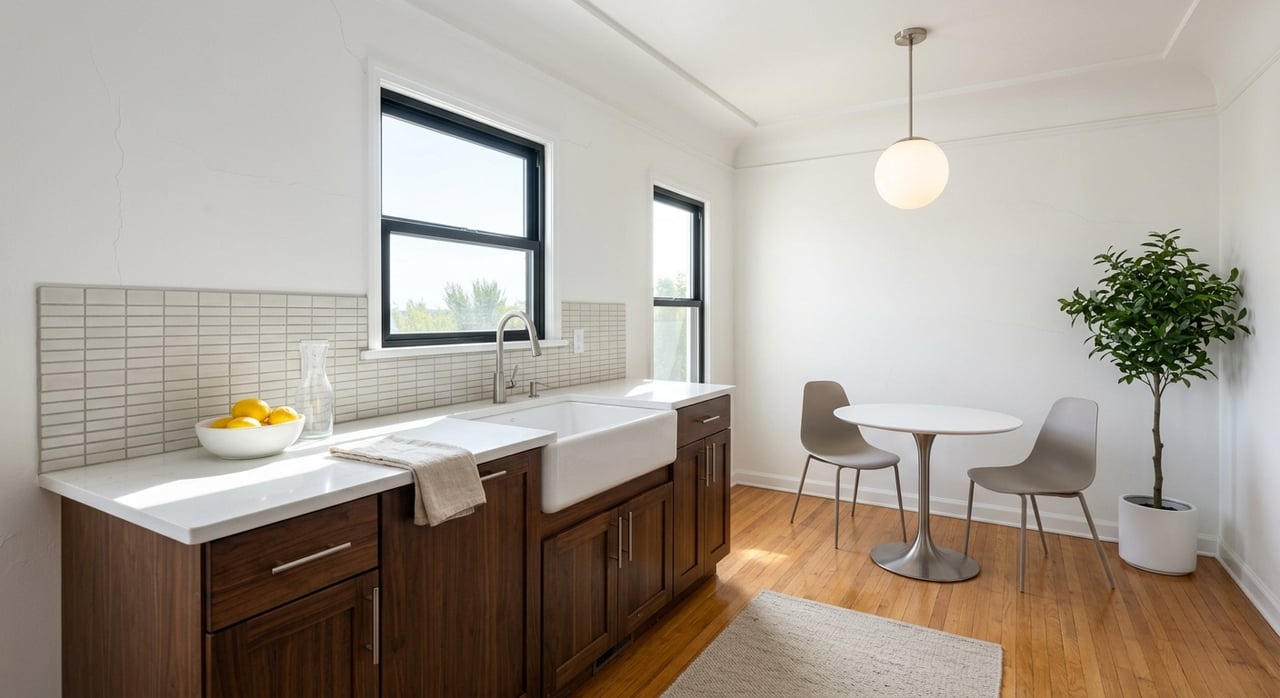
Preparing An Older Piedmont Home For Today’s Buyers
June 25, 2026
June 25, 2026
Wondering how much you should really do before listing an older Piedmont home? That is one of the biggest questions sellers face, especially when your house has vintage charm, years of updates, and a few projects you never quite got around to. The good news is that in Piedmont, buyers often respond best to homes that feel true to their original character but live well for today. If you focus on the right improvements, the right paperwork, and the right presentation, you can prepare your home thoughtfully without overdoing it. Let’s dive in.
Piedmont is not a market where bigger renovations always mean better results. According to the City’s 2023 housing element, about 70% of Piedmont’s housing stock was built before 1940, and many of those homes have already been updated or expanded over time.
That matters because buyers are often looking for a balance. They want a home that feels functional and cared for, but they also want original details, architectural personality, and a sense of history. In a city that values preservation and residential character, thoughtful preparation usually lands better than a heavy-handed remodel.
Piedmont’s design-review standards reinforce that point. The city’s framework is intended to preserve architectural heritage, aesthetic values, residential character, and natural beauty, and many projects require design review before a building permit is issued.
If you are preparing an older home for sale, the easiest place to start is with work that improves presentation without creating permit or review complications. In Piedmont, interior remodeling with no exterior changes and no new bedrooms does not require design review, and neither do painting existing buildings, landscaping with plant materials, or normal maintenance that is an exact replacement.
That makes a strong first-round checklist fairly simple:
These updates may sound modest, but they can make a major difference in how buyers experience your home. Clean surfaces, brighter rooms, and well-maintained finishes help buyers focus on the house itself instead of your to-do list.
For older homes, smart prep usually follows a practical order. Start with what buyers immediately notice, then move to what may raise concern during showings or inspections.
A helpful priority list often looks like this:
This approach fits both Piedmont’s preservation-oriented context and broader staging research. It also helps you avoid spending heavily in areas that may not add the same level of buyer confidence.
Some pre-listing work is straightforward. Some is not. In Piedmont, permit pathways exist for roof work, windows and doors, sewer work, and seismic or structural upgrades.
The city also notes that some exterior modifications, including exterior windows and doors, or adding a full bathroom, may require design review first. If you are considering any of those improvements before listing, treat them as early decisions rather than last-minute fixes.
Piedmont also warns that permit reviews can take several weeks or months, and larger projects may need planning approvals first. If work is done without a permit, the owner may have to pay a fine and undo the work. For that reason, older-home prep should begin earlier than many sellers expect.
If you are thinking about selling within the next 6 to 18 months, give yourself time to separate essential work from optional upgrades. Older homes tend to benefit from a clear plan rather than a rushed sprint.
A practical timeline often looks like this:
Start with an inspection mindset. Review the roof, plumbing, sewer lateral, electrical systems, and any seismic or structural concerns. This is also a good time to look into past permits, identify any missing documentation, and decide whether larger repairs are worth doing before market.
Complete approved repairs and cosmetic refreshes. If windows, doors, roofing, or structural work are part of the plan, this is when early coordination matters most.
This is the presentation phase. Declutter, deep clean, stage key rooms, and prepare professional photos, video, virtual tour assets, and floor plans so the home is ready to make a strong first impression online and in person.
With older homes, paperwork matters almost as much as presentation. California sellers are expected to prepare disclosures about the property’s physical condition, and agents also have a duty to disclose readily observable defects.
Natural hazard disclosures may also be required depending on the parcel, including information related to flood, earthquake fault, seismic hazard, and fire-zone conditions. The California Department of Real Estate notes that current forms also reflect high fire hazard severity zones and responsibility areas.
There is another reason to stay organized. Under AB 968, if you obtained title within the previous 18 months, you must disclose contractor-performed additions, structural modifications, alterations, or repairs completed since taking title if the contracts totaled $500 or more, and you must provide contractor names and copies of permits.
That means any pre-listing work should be tracked carefully. Save receipts, contractor information, permit records, and project notes from the beginning.
For many older Piedmont homes, lead safety is part of smart preparation. Federal lead-based paint disclosure rules generally apply to most housing built before 1978, and the EPA states that 87% of homes built before 1940 have some lead-based paint.
In practical terms, if your home is older, it is wise to assume lead-based paint may be present unless you have documentation showing otherwise. If prep work could disturb painted surfaces, careful handling and qualified professionals matter. This is especially important when you are refreshing an older home right before sale.
Staging works best when it helps buyers see both beauty and function. For an older Piedmont home, that usually means highlighting period details instead of covering them up.
Think about the features that make your home memorable:
The goal is to make these features easy to notice. Oversized furniture, heavy decor, or overly trendy styling can distract from what buyers came to see.
According to the National Association of Realtors’ 2025 Profile of Home Staging, 29% of agents saw a 1% to 10% increase in the dollar value offered when a home was staged, and 49% said staging reduced time on market. Buyers’ agents also said staging helps buyers envision the home as their future home.
The rooms that matter most are often the living room, primary bedroom, and kitchen. If you are staging selectively, those are strong places to begin.
Today’s buyers usually meet your home online first. That is especially important for a character property, where layout, light, and architectural detail need to come through clearly.
The same NAR staging report found that buyers’ agents rate photos, physical staging, videos, and virtual tours as highly important. For an older Piedmont home, strong media should help buyers understand room flow, natural light, and distinctive original elements before they step through the door.
This is where polished listing execution really matters. Clean visuals, accurate floor plans, and a strong virtual presentation can make an older home feel both inviting and easy to understand.
If you know your home would benefit from targeted improvements but you do not want to pay every cost upfront, Compass Concierge may be worth considering. According to Compass, the program fronts the cost of many seller-prep projects with no payment due until close, subject to program terms.
Covered services currently include:
Compass also states that repayment is tied to sale, termination, or 12 months after the Concierge start date, and that fees or interest may apply depending on state terms. In practice, this can be a useful tool when you want to improve presentation and address key repair items without taking on all of the cash outlay at once.
When you prepare an older Piedmont home for today’s buyers, the smartest strategy is usually not to erase its age. It is to show that the home has been cared for, updated where it counts, and presented in a way that feels both polished and authentic.
That means protecting character, prioritizing visible and meaningful improvements, planning early around permits and disclosures, and using staging and media to tell the right story. If you do that well, your home can feel current without losing what made it special in the first place.
If you are starting to think about your own timeline, prep scope, or pricing strategy for a Piedmont sale, Sharon Alva can help you build a plan that fits your home, your goals, and the local market.
October 15, 2026
October 8, 2026
October 1, 2026
September 24, 2026
September 17, 2026

September 10, 2026

September 10, 2026
September 3, 2026

August 27, 2026
Get assistance in determining current property value, crafting a competitive offer, writing and negotiating a contract, and much more. Contact me today.