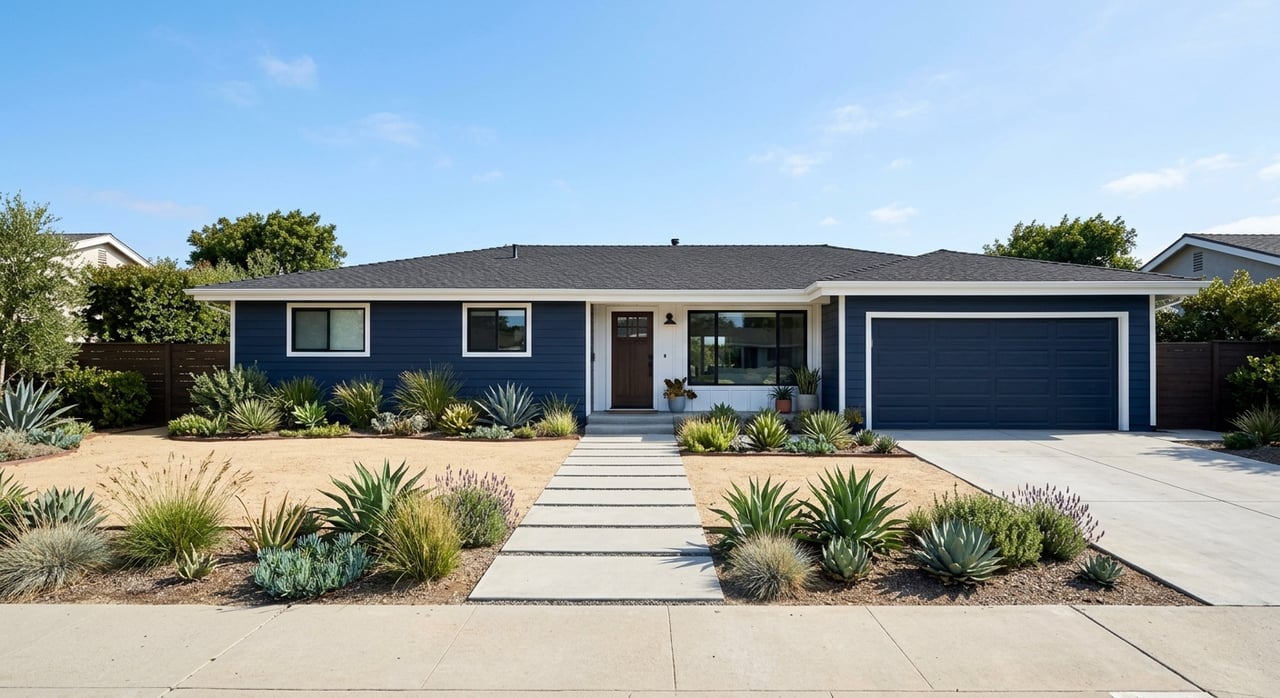
Living In Albany From Solano Avenue To The Shore
July 2, 2026
July 2, 2026
If you want an East Bay city where daily life can feel both local and well connected, Albany deserves a close look. It is compact, easy to navigate, and shaped by a few defining places that quickly become part of your routine. In this guide, you’ll get a practical feel for what living in Albany is really like, from Solano Avenue’s everyday rhythm to the parks, shoreline, and housing mix that define the city. Let’s dive in.
Albany is a small city with a big sense of place. The U.S. Census Bureau estimates 19,195 residents in 2025 living within just 1.79 square miles, which gives the city a notably compact footprint.
That compact size helps explain why Albany often feels easy to learn and easy to live in. It sits in the northwestern corner of Alameda County, bordered by Berkeley, El Cerrito, and Richmond, with Interstate 80 along the western edge. The city is also roughly 12 miles northeast of San Francisco and 6 miles north of downtown Oakland.
Albany’s 2035 General Plan focuses on maintaining neighborhood character, strengthening commercial corridors, improving mobility, protecting the natural environment, and better connecting the city to its waterfront. In daily life, that shows up as a place that feels more like a small town with regional access than a typical freeway suburb.
If Albany has a main street, it is Solano Avenue. The city describes it as the historical, social, and economic heart of Albany, and its active transportation plan notes that nearly all residents live within about half a mile of the corridor.
Solano Avenue runs east to west and splits the city into two roughly equal halves. It connects the Albany Hill area to the Berkeley foothills, which means it is not just a shopping street. It is also one of the city’s key organizing lines.
The character of Solano changes as you move along it. West of San Pablo Avenue, it feels more residential. East of San Pablo, it takes on a more traditional main street feel, with a pedestrian-scale corridor and a concentration of small businesses.
That everyday accessibility is part of what many people notice first about Albany. Short errands can feel simple, and local routines often center around a familiar stretch of street rather than a large commercial district.
Albany planning documents specifically note Solano Avenue’s small-business character and its collection of mom-and-pop shops. That local scale helps create an environment where day-to-day life feels grounded in neighborhood activity.
The annual Solano Stroll is another clue to the avenue’s role in the community. The event closes more than a mile of the street to traffic, reinforcing its identity as a gathering place rather than just a route through town.
The city has also studied Solano as a complete-streets corridor, with priorities like safer crossings, better conditions for walking and biking, streetscape greening, and a more cohesive public realm. For you as a buyer or future resident, that points to a city actively thinking about how the street works for people, not just cars.
Albany is a mature housing market, and that matters when you compare it with other East Bay options. According to the city’s General Plan, more than half of the housing stock was built before 1950.
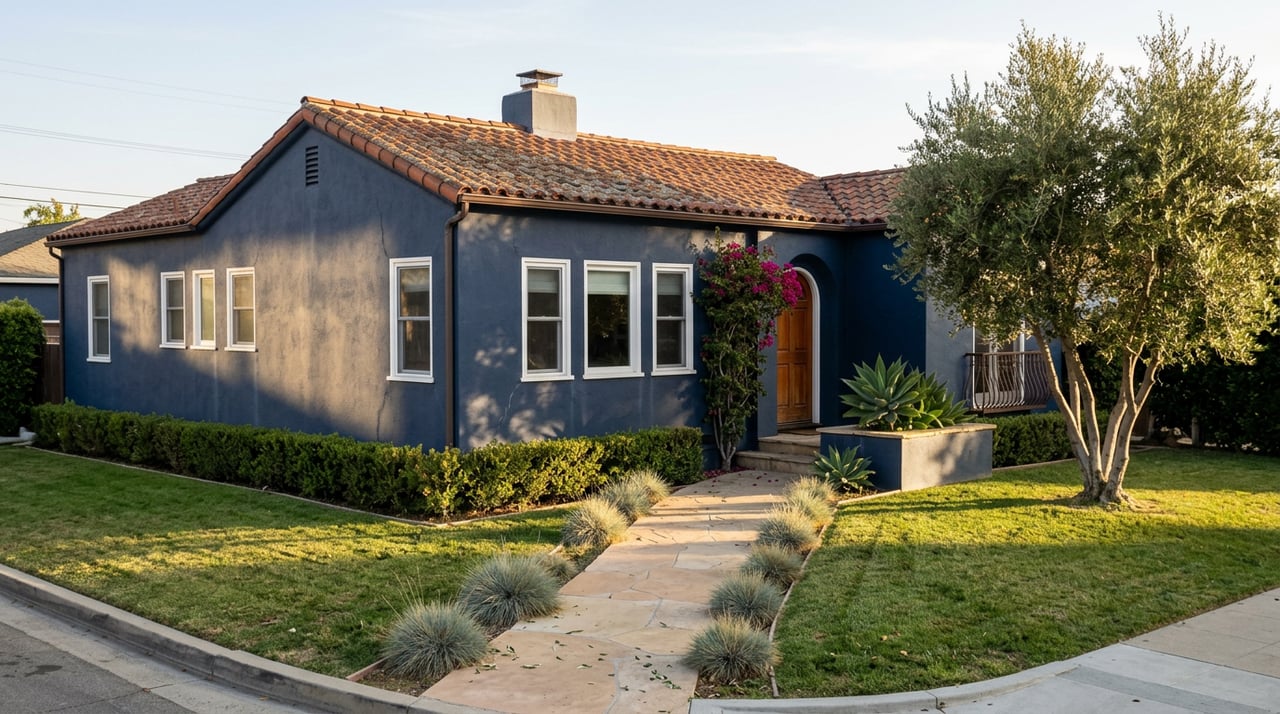
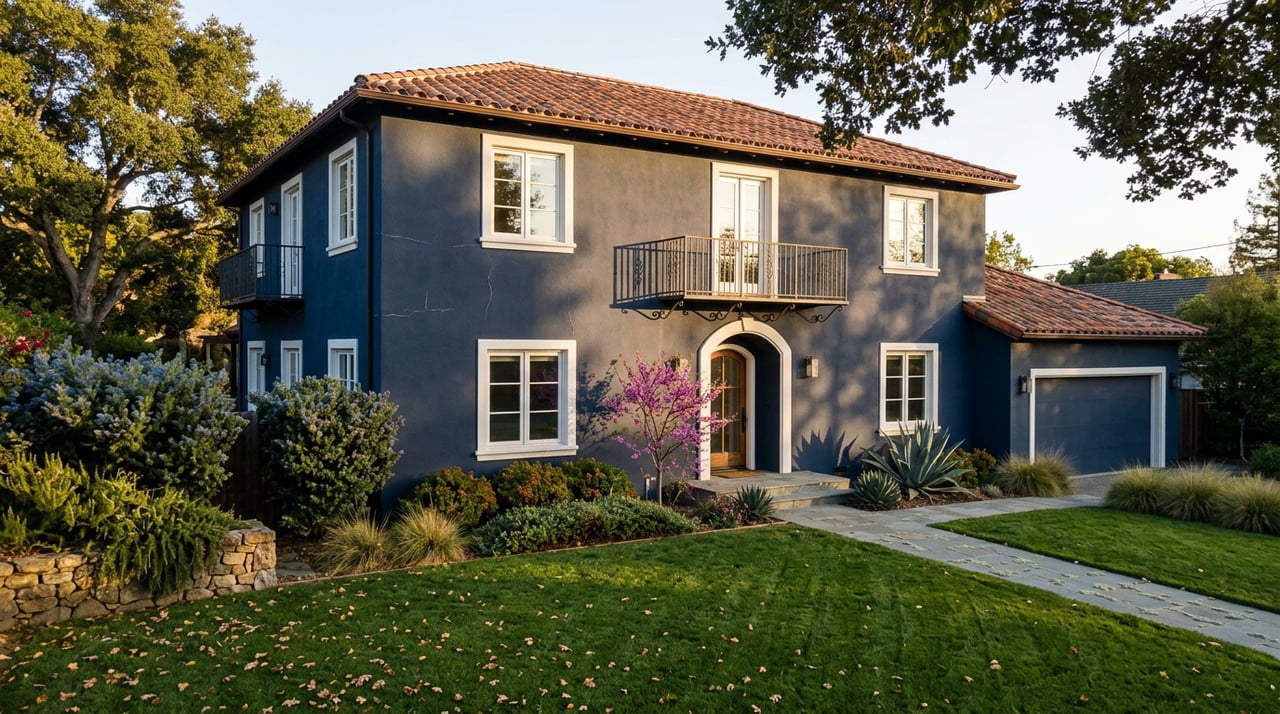
The housing mix includes many single-family detached homes, which make up about 52% of the city’s housing stock. The rest includes attached homes, duplexes, smaller multi-family buildings, and larger apartment or condominium complexes.
This is useful context if you are home shopping by property type. Albany is not defined by one single housing format. Instead, it offers a blend of older detached homes and a meaningful amount of attached and multi-unit housing.
Albany homes tend to be smaller than many homes elsewhere in Alameda County. The city reports that about 68% of housing units contain two bedrooms or fewer.
That can be a plus or a challenge depending on your goals. If you value a close-in location, established neighborhoods, and a more compact home, Albany may line up well with your priorities. If you are comparing for square footage alone, it helps to go in with realistic expectations.
The city also notes that University Village accounts for about 15% of the housing stock and the Pierce Street complexes account for another 11%. Those larger concentrations add to the city’s range of housing options and help explain why Albany offers more variety than you might assume from a quick drive-through.
Census QuickFacts show an owner-occupied housing rate of 53.1%. The same source lists a median owner-occupied value of $1,202,200 and a median gross rent of $2,445.
Albany households average 2.44 people, and 85.5% of residents lived in the same home a year earlier. That level of residential stability can matter when you are trying to understand how settled the city feels over time.
Albany may be small, but it has a strong outdoor layer. Parks, trails, and shoreline access play an outsized role in how the city feels from week to week.
This is one reason Albany stands out for buyers who want more than just a home address. You are not only choosing a house or condo here. You are also choosing a pattern of daily movement that can include walks, bike rides, and easy access to open space.
Memorial Park is Albany’s main city park and functions as a civic commons. It includes playgrounds, sports fields, tennis courts, a dog park, and community garden space.
The park also hosts concerts, July 4 celebrations, outdoor movies, and community fairs. That gives Albany a clear central gathering space that supports both recreation and community events.
The Ohlone Greenway is about one mile long as it runs through Albany from the El Cerrito side near Brighton Avenue to Berkeley near Gilman. It includes a bike path, walking trail, exercise features, seating, and public art.
For many residents, this is not just a recreational amenity. It is an everyday corridor for walking, biking, and moving through the city without relying entirely on a car.
Albany’s waterfront is one of its most distinctive assets. The city describes it as a regional recreation destination used by dog-walkers, artists, educators, hikers, bird watchers, cyclists, and other visitors.
The shoreline connects to McLaughlin Eastshore State Park, the Albany State Marine Reserve, the Albany Bulb, and the Bay Trail. California State Parks describes McLaughlin Eastshore State Park as an 8.5-mile shoreline park along San Francisco Bay with beach access, bike trails, hiking, and wildlife viewing.
If you value access to the water, wide-open views, and room to get outside close to home, this part of Albany can be a major draw. It gives the city a coastal edge that feels different from many inland neighborhoods.
Albany Hill rises to 338 feet above sea level and is the city’s most prominent topographic feature. Much of the rest of Albany is relatively flat, which supports its walkable and bike-friendly feel.
Albany Hill and nearby Creekside Park add a different outdoor experience inland. The area is valued for trails, habitat, and views back toward Albany, El Cerrito, and the Bay.
Albany’s transportation picture is one of its strongest practical advantages. The city explicitly supports walking, biking, and rolling through its transportation policies, including its Active Transportation Plan and Complete Streets approach.
That policy support shows up in commute data. Albany’s commute profile is less auto-dependent than many places in the region.
According to city data, 36% of commuters drive alone, 25.8% use public transportation, 6% bike, 5.08% walk, and 17.3% work from home. The same data set lists a mean commute time of 30.8 minutes.
Albany does not have its own BART station, but regional access is still strong. The nearby El Cerrito Plaza station serves southern El Cerrito, northern Albany, Kensington, and nearby parts of Berkeley and Richmond.
AC Transit also plays an important role. The G line runs between Salesforce Transit Center and El Cerrito Plaza by way of Solano Avenue and serves Albany along with Berkeley, El Cerrito, Kensington, and San Francisco.
For you, that can translate into more than one commute option. It can also make Albany appealing if you want a city where car-light living is realistic for at least part of your routine.
Albany’s identity comes from the way several features work together. You have a compact city footprint, a walkable Solano Avenue spine, a mature housing stock, and quick access to parks, trails, shoreline open space, and regional transit.
In practical terms, that often means shorter local trips, familiar neighborhood patterns, and a lifestyle where errands and recreation can happen close to home. It is a city that tends to reward people who value connection, convenience, and a strong sense of everyday place.
If you are comparing Albany with nearby East Bay communities, it helps to think beyond price or square footage alone. The real question is whether you want a compact, established city where local routines and outdoor access play a central role in daily life.
If you want help understanding how Albany fits your goals as a buyer or seller, Sharon Alva can help you make sense of the neighborhood, the housing options, and the market with clear, local guidance.
October 15, 2026
October 8, 2026
October 1, 2026
September 24, 2026

September 17, 2026

September 10, 2026

September 10, 2026
September 3, 2026

August 27, 2026
Get assistance in determining current property value, crafting a competitive offer, writing and negotiating a contract, and much more. Contact me today.