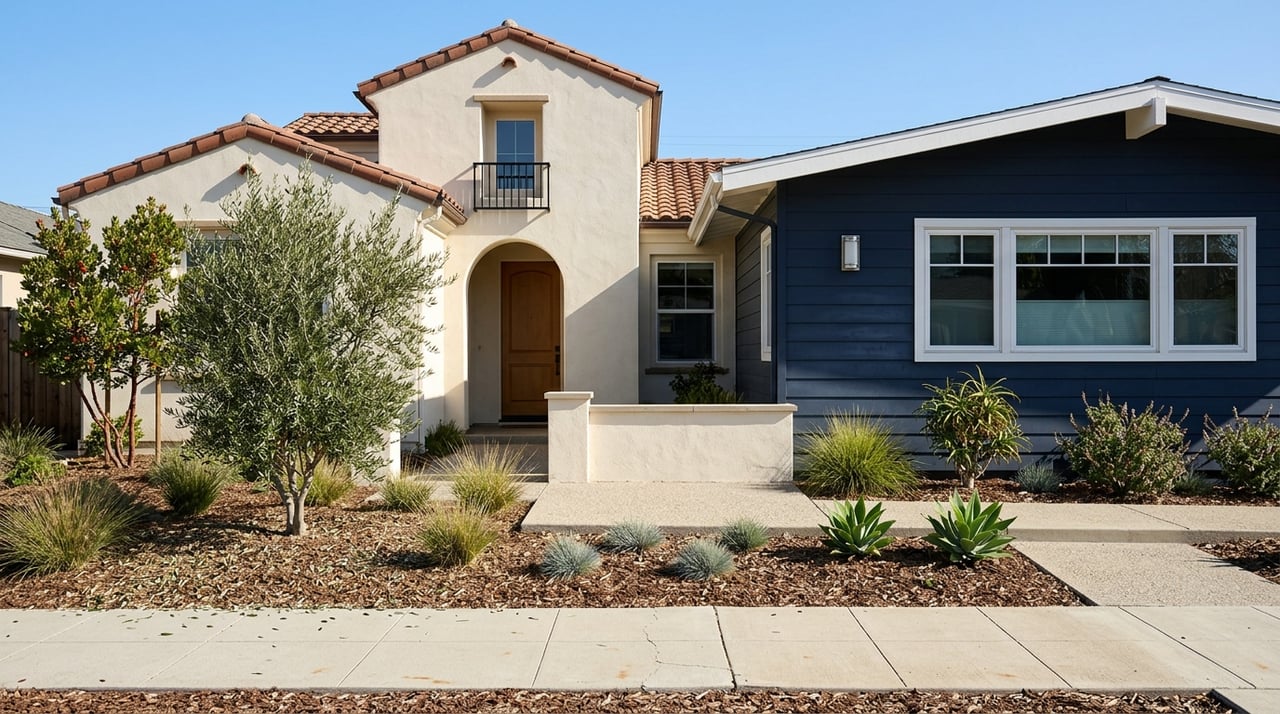
Why Oakland Neighborhood Markets Move At Different Speeds
June 4, 2026
June 4, 2026
If Oakland feels like one market from the headlines, the neighborhood data tells a different story. You might see one home sell in under two weeks while another similar-looking property in a different part of the city takes six or eight weeks. That can feel confusing if you are trying to buy, sell, or time your next move. The good news is that there are clear reasons behind those different timelines, and understanding them can help you make better decisions. Let’s dive in.
Oakland is competitive overall, but the citywide numbers can hide major neighborhood differences. Over the last three months, Redfin reports that Oakland homes received 4 offers on average, sold in about 16 days, and posted a median sale price of $850,000.
That is useful as a starting point, but it is not enough if you are making a real decision in a specific neighborhood. A city average blends together very different housing types, price points, and buyer pools. In Oakland, those factors can shift dramatically from one neighborhood to the next.
One of the biggest reasons markets move at different speeds is daily-life convenience. Rockridge and Temescal score highly for walking, transit, and biking, while Montclair is more car-dependent based on Redfin access scores.
That does not make one area better than another. It simply means different neighborhoods attract different groups of buyers, and those buyers may have different priorities, timelines, and budgets. In practice, that can shape how quickly homes sell and how competitive offers become.
Not every Oakland neighborhood is selling the same type of home. Recent sales suggest Rockridge and Montclair are often seeing larger three- to five-bedroom homes, while Jack London Square is more closely tied to one- and two-bedroom condo inventory.
That matters because each product type attracts a different set of buyers. Financing ranges, renovation expectations, and urgency can vary a lot between someone shopping for a larger house and someone considering a waterfront condo.
Neighborhood data gets less stable when there are only a few sales. According to the current Redfin snapshots, Rockridge had 3 homes sold in April 2026, Temescal had 10, Montclair had 22, and Jack London Square had only 1 closed sale in the latest three-month window.
When the sample is that small, one sale can change the median quickly. That is why it is important to look at days on market, sale-to-list patterns, and the number of closed sales together instead of relying on one headline number.
Some neighborhoods have local conditions that create a very different pace. Jack London Square is a clear example because it functions as a mixed-use waterfront area rather than a more established single-family neighborhood pattern.
The City of Oakland also describes ongoing rail safety and access improvements along Embarcadero West to improve connections to the waterfront and ferry terminal. That kind of infrastructure context can influence how buyers view the area and how the market behaves over time.
Rockridge is one of Oakland’s fastest neighborhood markets in the current data. Redfin shows a median sale price of about $1.599 million, median days on market of 13, and a Compete Score of 98.
Most homes there receive multiple offers, and Redfin reports that the average home sells about 35% above list price. Rockridge also posts a 90 Walk Score, 59 Transit Score, and 76 Bike Score, which helps explain why it draws buyers looking for strong day-to-day convenience.
Even so, not every sale looks identical. Recent Rockridge closings ranged from 0 to 42 days on market, with outcomes from list price to 86% over list. That is a reminder that even in a fast market, pricing, condition, and property-specific appeal still matter.
Temescal remains competitive, but the pace looks more uneven than Rockridge. Redfin shows a median sale price of about $1.062 million and median days on market of 39.
Its access scores are very strong, with a 95 Walk Score, 68 Transit Score, and 94 Bike Score. That supports steady buyer interest, but the longer selling timeline suggests buyers may be weighing condition, layout, and price more carefully here.
Recent sales in Temescal ranged from 28 to 89 days on market. Some sold below list, while others closed well above list. For sellers, that means preparation and pricing strategy may have a bigger impact here than a broad neighborhood label alone would suggest.
Montclair stands out because it moves quickly despite a very different lifestyle profile from Rockridge or Temescal. Redfin shows a median sale price of about $1.524 million and median days on market of 13.
The neighborhood also shows a 130.6% sale-to-list ratio, with 90.2% of homes selling above list. Those are striking numbers, especially given Montclair’s lower access scores of 45 for walking, 31 for transit, and 30 for biking.
That tells you something important about Oakland. A neighborhood does not need to attract the exact same buyer as another area to move quickly. Montclair appears to have a strong buyer pool for its particular housing stock and setting, even though the day-to-day access profile is very different.
Jack London Square behaves like a different micro-market altogether. Redfin’s latest available neighborhood data shows a median sale price of $640,000, median days on market of 56, and only 1 closed sale in the measured period.
Realtor.com also reported just 3 active listings there in April 2026, which points to very thin supply. With so few sales and listings, it is harder to draw broad conclusions from a single snapshot.
It also helps to remember that Jack London Square is a mixed-use waterfront area. Between the condo-heavy housing mix and ongoing City of Oakland access and safety improvements in the area, the market can move to a different tempo than Oakland neighborhoods dominated by single-family homes.
If you are buying in Oakland, citywide headlines should be your orientation point, not your decision-making framework. The neighborhood you choose may have a very different level of competition, speed, and price sensitivity than the city average suggests.
A faster neighborhood like Rockridge or Montclair may require you to move quickly when the right property appears. A more variable market like Temescal may give you more room to evaluate condition and pricing. In a thin micro-market like Jack London Square, the challenge may be limited inventory and less consistent recent data.
If you are selling, the key is not simply whether Oakland is hot or slow. The more useful question is how your neighborhood is performing right now and how your home compares to the most relevant recent sales.
Three things matter especially here:
Those signals help you understand not just value, but momentum. They also help shape smart decisions around preparation, launch timing, and pricing.
One common mistake is comparing sale-based data with listing-based data as if they mean the same thing. Redfin’s Oakland market pages emphasize closed sales, offers, and days on market, while Realtor.com often emphasizes listing price and inventory.
Both can be useful, but they answer different questions. If you mix them without context, the market can look more confusing than it really is.
Days on market is important, but it never tells the full story by itself. A neighborhood can have fast sales, but still show wide variation in over-list outcomes, or it can have a slower median with some homes still attracting strong demand.
That is why it helps to read days on market alongside sale-to-list trends and the number of closed sales. Together, those numbers tell a more complete story about speed and competition.
For buyers and sellers, the neighborhood is usually the better lens. Oakland’s citywide numbers are helpful for context, but they should not replace neighborhood-level analysis when you are setting expectations.
In real life, you are not buying or selling “Oakland.” You are buying or selling in Rockridge, Temescal, Montclair, Jack London Square, or another very specific pocket of the city.
If you want help reading Oakland neighborhood trends through the lens of your own move, pricing strategy, or search goals, Sharon Alva offers a neighborhood-first approach with clear guidance and hands-on support.
October 15, 2026
October 8, 2026
October 1, 2026
September 24, 2026

September 17, 2026

September 10, 2026

September 10, 2026
September 3, 2026

August 27, 2026
Get assistance in determining current property value, crafting a competitive offer, writing and negotiating a contract, and much more. Contact me today.