What Living in Piedmont Is Really Like Day to Day
April 2, 2026
April 2, 2026
If you are curious about Piedmont, you are probably trying to picture more than a map pin or a price point. You want to know what daily life actually feels like once the moving boxes are gone. In a city known for its residential character, the real story is in the rhythm of the day, the parks, the housing, and the way people move through the community. Let’s dive in.
Piedmont is a small charter city in the Oakland Hills with about 11,000 residents and just 1.7 square miles of land, according to the City of Piedmont. That small footprint shapes everyday life in a very practical way.
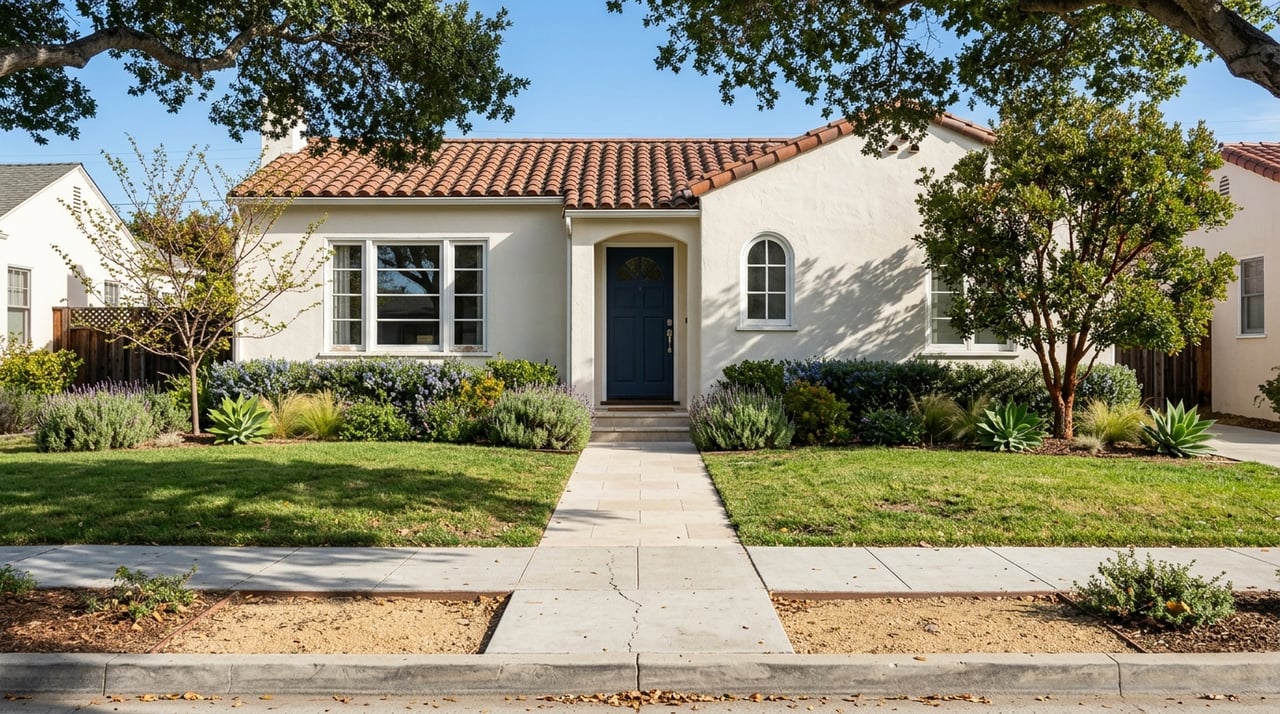
Instead of a dense urban pace, you get a setting the city describes as primarily residential, with gardens, parks, schools, and strong community participation. In plain terms, Piedmont tends to feel quiet, established, and neighbor-oriented.
That impression lines up with current household data. The U.S. Census QuickFacts for Piedmont show a 90.9% owner-occupied housing rate and a mean commute time of 31.7 minutes, which points to a community with many long-term homeowners and regular regional commuting patterns.
In many ways, everyday life in Piedmont follows a steady neighborhood routine. Mornings are often defined by local movement, getting out the door, commuting, and heading across the East Bay or into San Francisco.
Afternoons and evenings tend to bring people back into the city’s residential spaces. Park visits, sports fields, dog walks, and community events all play a visible role in the daily lifestyle picture.
Because Piedmont is overwhelmingly residential, you are not moving through a place built around retail corridors or nightlife. The city’s overall pattern is more about home, outdoor space, public gathering spots, and easy access to nearby amenities when you want them.
One of the clearest things about Piedmont is how central parks and outdoor space are to the local routine. The city has six parks and numerous landscaped areas, and these spaces are maintained not only by Public Works but also with support from local commissions and community groups.
That matters because it reflects how outdoor spaces are treated here. They are not just background scenery. They are part of daily use and part of civic identity.
Piedmont Park is about 15 acres and includes Community Hall, Exedra Plaza, a Japanese Tea House, play areas, tennis courts, and a path along Bushy Dell Creek. It functions as both a recreational space and a gathering place.
It is also home to recurring events such as Movies in the Park, the Harvest Festival, the Fourth of July band concert, and the Christmas tree lighting ceremony. That gives the park a real everyday presence, not just a scenic one.
The smaller parks add to Piedmont’s neighborhood feel. Blair Park is described as a natural, unlandscaped area used mainly by dog owners, while Crocker Park offers a more manicured garden setting for a quieter stop.
Dracena Quarry Park includes redwoods, a playground, and a dog run, and city sports fields support soccer, softball, baseball, basketball, and skateboarding. Taken together, these spaces make it easy to picture a lifestyle built around short outdoor breaks, after-school activities, and weekend park time.
Piedmont’s community life is strongly tied to public events and recurring traditions. That is a big part of what gives the city its lived-in, connected feel.
The city’s annual Fourth of July celebration moves along Highland Avenue to Piedmont Park and ends with a community picnic. Seasonal events like Harvest Festival and Lights Up also bring people together around shared public spaces and familiar traditions.
For adults, community life extends beyond seasonal festivals. The city’s Adult Recreation Expo highlights recreational, cultural, educational, and civic opportunities, which suggests a local culture shaped by clubs, classes, volunteerism, and public participation.
Piedmont’s housing stock plays a major role in how the city feels day to day. This is not a place where mixed-use development or large commercial corridors define the atmosphere.
According to the city’s zoning ordinance overview, more than 95% of single-family homes are in Zone A, while multi-family dwellings are generally concentrated in Zone C. The city also has only two small commercial and mixed-use areas.
That zoning pattern helps explain why Piedmont feels so residential. Your day-to-day surroundings are much more likely to be homes, mature landscaping, and civic buildings than blocks of storefronts.
Piedmont’s housing also has a notably established look. The city’s Design and Preservation Element states that more than 70% of homes were built before 1940.
That helps create the sense of permanence many people notice right away. Architectural styles cited by the city include Victorian, Bungalow, American Foursquare, Craftsman, Colonial Revival, and English/Tudor homes.
In practical terms, everyday life in Piedmont often unfolds in a setting with mature trees, established lots, and a strong preservation mindset. The visual character of the city is part of its identity.
Piedmont may feel tucked away, but daily life here is not isolated. Many residents move regularly between Piedmont and the rest of the East Bay or San Francisco for work, errands, and social plans.
The city’s General Plan housing element notes that the civic center is served by a local bus line with frequent connections to BART and Downtown Oakland, along with two transbay bus lines to San Francisco. That supports a lifestyle where local residential calm and regional mobility go hand in hand.
The city also continues to focus on walking, biking, and traffic safety through its Safer Streets Plan. That reinforces the idea that getting around in Piedmont can involve a mix of driving, biking, walking, and transit, depending on the trip.
Because Piedmont has limited commercial and mixed-use space, nearby Oakland often becomes part of everyday life. That is one of the most important things to understand if you are trying to picture what living here is really like.
Piedmont offers the quieter residential base, while nearby Oakland districts help supply broader shopping, dining, and service options. In real life, that means your routine may include home and parks in Piedmont, then errands, meals, or transit connections just beyond the city line.
This mix is part of the appeal. You get a clearly defined residential setting without feeling cut off from the larger East Bay.
If you boil it down, everyday life in Piedmont is less about constant activity and more about consistency, community, and place. It is a city where parks are part of the routine, public events matter, housing feels established, and nearby Oakland expands your options.
For some buyers, that balance is exactly the draw. You get a small-city atmosphere with strong residential character, while still staying connected to the wider region.
If you are weighing Piedmont against nearby East Bay neighborhoods, understanding these day-to-day patterns can make your decision much clearer. If you want help comparing lifestyle, housing feel, and location tradeoffs, Sharon Alva can help you sort through the details with local insight and a practical, neighborhood-first approach.
October 15, 2026
October 8, 2026
October 1, 2026
September 24, 2026
September 17, 2026

September 10, 2026

September 10, 2026
September 3, 2026
August 27, 2026
Get assistance in determining current property value, crafting a competitive offer, writing and negotiating a contract, and much more. Contact me today.