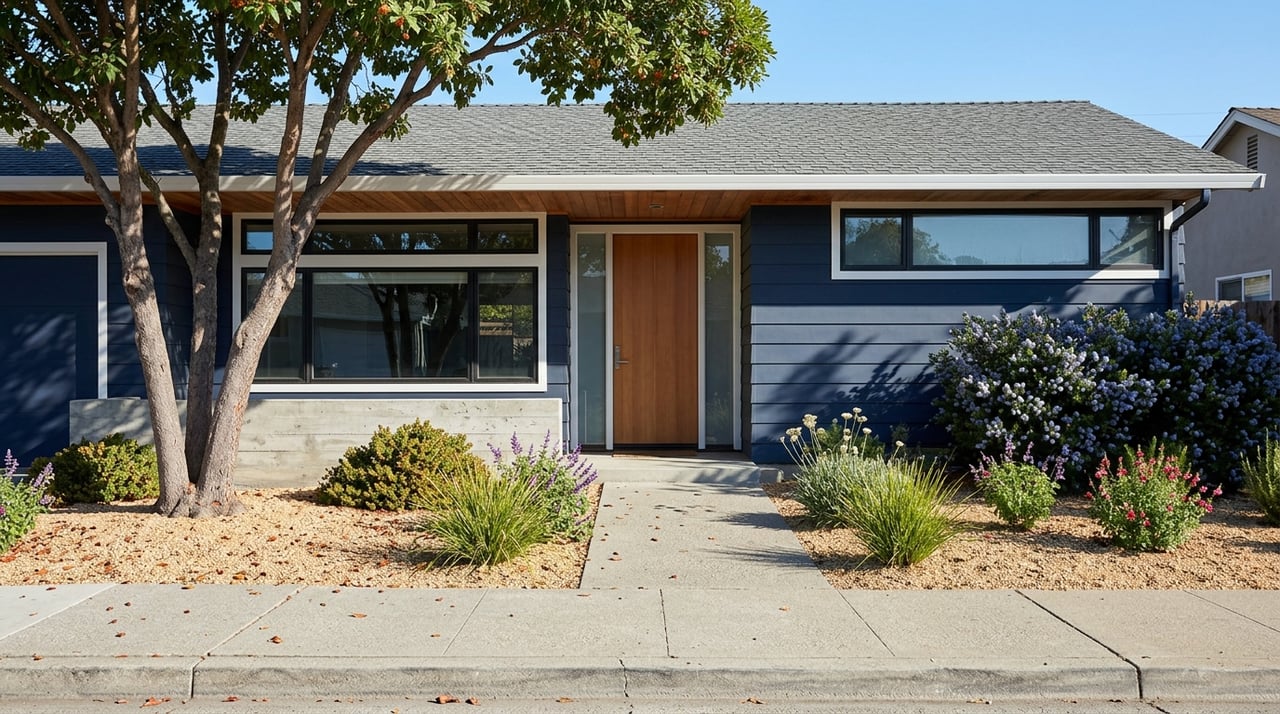
El Cerrito Neighborhood Guide for Views, Walkability, and BART
April 23, 2026
April 23, 2026
If you are searching in El Cerrito, one question shapes almost everything else: Do you want hillside calm, central walkability, or the fastest path to BART? In a city this compact, small shifts in topography and transit access can change your day-to-day routine in a big way. This guide breaks down how El Cerrito’s main residential pockets feel, what kinds of homes you are most likely to find, and how to think about the tradeoffs so you can focus your search with more confidence. Let’s dive in.
El Cerrito is a relatively small city with about 26,409 residents across 3.67 square miles, according to the U.S. Census QuickFacts page. Because of that, buyers often experience it less as a long list of distinct neighborhoods and more as a handful of lifestyle zones.
At a high level, you can think about El Cerrito in three main ways: the hillside area, the central Plaza and Fairmount area, and the north end near del Norte. Each one offers a different balance of views, quiet, housing type, and transit convenience.
The hillside residential area sits east of Navellier Street and west of Contra Costa Drive, next to the Hillside Natural Area. The city describes this open space as roughly 102 acres with native-plant, oak-woodland, and riparian habitat, along with trail access from Schmidt Lane, Potrero, and King Court.
This part of El Cerrito often appeals to buyers who want a quieter residential setting and easy access to open space. The city also notes long-range views toward the San Francisco and Oakland skylines, the Golden Gate Bridge, Mount Tamalpais, and the Bay, which helps explain the lasting draw of hillside homes.
If you picture morning walks near trailheads, more separation from commercial corridors, and a residential setting that feels tucked away, the hills may be your best fit. This area usually feels more removed from the busier parts of town.
The main tradeoff is convenience. Compared with flatter central areas, hillside streets are generally less walkable for quick errands or daily transit access, so your routine may lean more car-dependent.
Citywide, El Cerrito remains mostly a detached-home market. The city’s housing stock is still dominated by single-family homes, which makes the hills a natural place to focus if you want that more traditional layout.
It is also worth knowing that El Cerrito allows accessory dwelling units and junior accessory dwelling units, as outlined in the city housing element materials from the California Department of Housing and Community Development. For buyers thinking about long-term flexibility, that can matter for multigenerational living, guest space, or future rental use.
For buyers who want the most walkable, mixed-use part of the city, the central area around Plaza, Fairmount, and Liberty is usually the first place to look. In the city’s planning framework, the El Cerrito Plaza area is treated as a high-activity node and an envisioned downtown.
This area includes a BART station, a regional shopping center, the historic building that houses the Cerrito Theatre, local shops and restaurants, and a mix of single-family and multifamily housing. Central Avenue and Fairmount Avenue are also key east-west routes, with Fairmount described by the city as having more of a main-street character.
If you want to run errands without relying on a car for every stop, this is the part of El Cerrito that tends to check the most boxes. The El Cerrito Plaza BART station serves southern El Cerrito and nearby areas, and it also has AC Transit connections, bike infrastructure, and parking.
The city has also made walkability improvements in the corridor. According to the city’s San Pablo Avenue streetscape overview, upgrades have included crosswalks, pedestrian signals, landscaping, benches, bike racks, and transit stop improvements.
This is the pocket where attached housing becomes more visible. Buyers are more likely to come across condos, duplexes, small apartment buildings, and other attached or multifamily options near the Plaza and corridor areas.
That lines up with the broader city housing profile. The housing element notes that El Cerrito is 68.1 percent single-family detached, while 12.7 percent of housing is in 2-to-4-unit buildings and 15.4 percent is in 5-plus-unit buildings, based on the HCD housing element document.
The north end of El Cerrito, especially around del Norte and the Cutting Boulevard corridor, stands out for regional transit convenience. If your search starts with commute options, this area deserves close attention.
The El Cerrito del Norte BART station serves the northern part of the city and connects to AC Transit, Golden Gate Transit, WestCat, SolTrans, and Napa Vine. For many buyers, that makes it the strongest transit hub in El Cerrito when regional bus access matters as much as rail access.
This part of the city is especially useful if you want quick station access and more ways to move around the East Bay and beyond. It can be a strong fit for buyers who split time between BART and buses, or who want a smoother station-centered routine.
The north end also connects to the Ohlone Greenway, which runs beneath the elevated BART tracks from the south city limits to the north city limits. That helps link both BART stations to surrounding bike and pedestrian networks and adds another layer of car-light convenience.
Like the rest of El Cerrito, the north end is not one single housing type or feel. Closer to stations and commercial corridors, you can expect a denser pattern and a stronger corridor character.
As you move farther from those hubs, the setting generally shifts back toward more traditional residential streets. For buyers, that means this area can offer a useful middle ground between transit access and neighborhood feel.
When buyers narrow El Cerrito down, they are usually comparing daily-life details more than distance on a map. The city is small, but the practical differences can be meaningful.
Here is a simple way to think about the main tradeoffs:
| Area | Best For | Tradeoff |
|---|---|---|
| Hillside pockets | Views, privacy, trail access, quieter residential feel | Less convenient for walkable errands and transit |
| Central Plaza/Fairmount | Walkability, mixed-use surroundings, BART access | More activity and a more urban corridor feel |
| North del Norte area | Commuter convenience, bus connections, Greenway access | Varies block by block between corridor density and residential feel |
One of the biggest practical questions is what kind of inventory you are likely to see. Overall, El Cerrito is still mostly a detached-home city, but attached and multifamily options become more common near transit and commercial corridors.
That means your priorities should shape your search from the start. If you want a classic single-family home, you may spend more time in hillside areas or on quieter residential streets. If you care most about station access and lower-maintenance living, central and station-adjacent areas may offer a better match.
Beyond housing and transit, El Cerrito offers a strong parks-and-open-space layer that matters to many buyers. The city lists facilities including Arlington Park, Cerrito Vista Park, Canyon Trail Park, Central Park, Castro Park, and the Hillside Natural Area, with amenities that include sports fields, tennis courts, and picnic reservations at some sites.
That variety is part of what makes the city work for different lifestyles. Whether your routine centers on trail access, playground time, or open space near home, parks are part of the equation in multiple parts of El Cerrito.
El Cerrito also draws buyers because it offers a mix of residential character, transit access, and East Bay location. Census estimates show a median value of owner-occupied housing units at $1,124,400, median gross rent at $2,548, median household income at $127,876, and an owner-occupied housing rate of 58.6 percent on the Census QuickFacts page.
Those figures point to a mature housing market with a strong owner-occupied base, along with enough rental and attached inventory to support a range of buyers. The same Census source estimates a mean travel time to work of 33.3 minutes, which fits El Cerrito’s role as a commuter-friendly East Bay city rather than a purely local-errand market.
If you are trying to decide where to focus, start with your routine before your wish list. Ask yourself whether your ideal day includes trail access and separation, walking to shops and BART, or fast regional connections for commuting.
Then match those habits to the city’s layout. In El Cerrito, the right fit often comes down to choosing the lifestyle zone that supports how you actually want to live, not just the home itself.
If you want help narrowing your search or understanding how one part of El Cerrito compares with another, Sharon Alva offers neighborhood-first guidance designed to help you move forward with clarity and confidence.
October 15, 2026
October 8, 2026
October 1, 2026
September 24, 2026
September 17, 2026

September 10, 2026

September 10, 2026
September 3, 2026
August 27, 2026
Get assistance in determining current property value, crafting a competitive offer, writing and negotiating a contract, and much more. Contact me today.