Jack London Square Condos: A Smart Buyer’s Guide
February 19, 2026
February 19, 2026
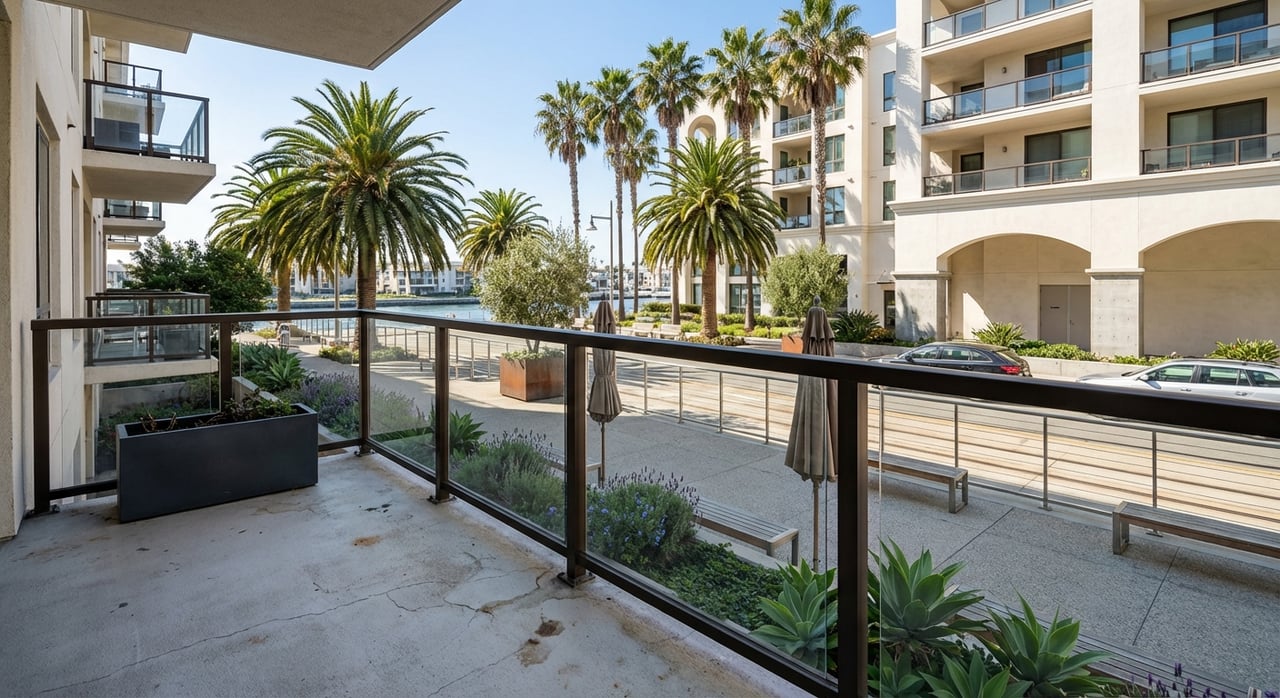
Picture stepping out your front door to the waterfront, a coffee in hand, and your commute options visible by land and bay. If you are eyeing condo life in Jack London Square, you probably want walkability, transit flexibility, and a lively scene without surprises. In this guide, you will learn what buildings offer, how transit and parking really work, what to check in HOA documents, and how to weigh nightlife and noise so you can buy with confidence. Let’s dive in.
Jack London Square sits on Oakland’s waterfront with restaurants, entertainment, a year‑round calendar, and easy ways to get around. The official neighborhood hub outlines how to reach the square by car, train, and ferry, including parking details for residents and visitors on the waterfront’s getting here page. You can review transit and parking options on the neighborhood’s site to see how they line up with your routine (official getting here page).
For daily living, the area’s walkability is a major perk. Walk Score rates Jack London Square as a Walker’s Paradise with strong access to transit and biking, which fits buyers who want errands, dining, and recreation within a short stroll (Walk Score overview). If you want a car-light lifestyle, Jack London often delivers.
Expect a social nightlife and weekend energy. Popular venues, patios, and event programming bring people to the waterfront, especially on evenings and weekends. For many buyers, this vibrancy is a feature. If you prefer quiet, you will want to choose your building and unit location carefully and visit at different times of day before you commit.
You will see a range of condo styles in Jack London Square. Most options cluster into three categories, each with different amenities and fee profiles.
Larger mid and high rises tend to offer full-service features like a front desk, secure garage parking, fitness rooms, and shared outdoor spaces. A representative example is The Sierra at 311 Oak Street, a 2003 building with a pool, fitness center, and on‑site staff. These benefits sit at the upper end of the area’s amenity scale, which often means higher monthly HOA dues to support staffing and maintenance (The Sierra overview).
A wave of mid‑2000s development created many loft-style homes with high ceilings, large windows, and contemporary finishes. Buildings like 288 3rd highlight in‑unit laundry, deeded parking, and roof decks as key selling points. This style appeals if you enjoy open layouts and a modern, warehouse-influenced feel (288 3rd features).
Smaller midrise properties and architect-designed buildings in the district offer more boutique experiences. Floor plans can be flexible with controlled access and assigned parking, though amenities may be lighter. If you value distinctive design over a long amenity list, this category is worth a look.
Your choice often comes down to lifestyle and budget priorities. As you compare buildings, focus on:
Multi-modal access is one of Jack London Square’s strongest selling points. The Oakland–Jack London Amtrak and Capitol Corridor station is right in the district, which makes regional rail and longer-distance trips straightforward. You can confirm station details and connections on the operator’s site (Capitol Corridor station page).
Ferry service links Oakland to San Francisco from the waterfront terminal. Schedules can shift seasonally, so check a current route guide before you plan a car-free or mixed transit commute. Many buyers cite the ferry as a quality-of-life upgrade and a stress-reducer for cross-bay travel (SF Bay Ferry route guide).
Two BART stations, Lake Merritt and 12th Street/City Center, are within walking or biking distance depending on your exact address. Many residents blend ferry or Amtrak with a short BART or bus connection to tailor their daily route. Walk Score’s transit data reflects this high-access reality for the neighborhood (Walk Score overview).
Public garages serve the waterfront, and some facilities include EV charging. Many buildings provide deeded or assigned parking, while a few use stackers or offer a single space per unit. Always verify your exact parking rights and any EV charging rules in the HOA documents and the building’s parking plan. The neighborhood site offers an overview of parking locations that can help you compare options near specific buildings (getting here and parking).
With restaurants, entertainment venues, and a year-round calendar, Jack London Square has a lively rhythm. Music venues and patios contribute to a social evening scene, and waterfront events bring weekend crowds. Train horns, activity near the tracks, and I‑880 can add to ambient sound depending on the block and the unit’s orientation.
A smart move is to visit shortlisted homes at different times, including Friday or Saturday evenings. Ask the HOA for any event calendars, published quiet hours, and details on window or facade improvements that reduce sound. If you are sensitive to noise, aim for upper floors set back from the main corridors, or prioritize buildings known for stronger window systems.
Condo ownership adds a layer of shared responsibilities that you will want to understand at the document level. California’s disclosure rules give you a clear path to do that.
Under California’s Davis‑Stirling Act, sellers must provide a resale disclosure package that includes CC&Rs, bylaws, operating rules, current budget, reserve information, insurance declarations, and a statement of regular and special assessments. You are also entitled to request up to 12 months of board meeting minutes. Plan time to read this packet carefully before you remove contingencies (Civil Code 4525 overview).
Ask for the most recent reserve study and the association’s percent-funded number. A low reserve balance or a pattern of special assessments can signal future cash calls. Review the operating budget and year‑to‑date financials for operating deficits, rising insurance or management costs, and delinquency rates. These items help you understand whether monthly dues are likely to change and why. For practical context on maintenance and repair budgeting, see industry guidance on how associations plan and pay for common area work (maintenance and repair insights).
Buildings with extensive amenities usually carry higher monthly dues to maintain pools, saunas, or staffed lobbies, which is normal for full-service properties. The Sierra’s amenity list is a representative example of why some Jack London buildings sit at the higher end of the monthly range (The Sierra overview).
Confirm what the master HOA policy covers and what you are responsible for as an owner. Typically the master policy covers common areas and the building exterior, while you carry an HO‑6 policy for interiors, personal property, and liability. In California, earthquake coverage is often excluded from the master policy, so get HO‑6 and earthquake quotes early in your process (HOA insurance basics).
California’s SB 326, also known as Civil Code 5551, requires condominium associations to inspect exterior elevated elements such as balconies, decks, and walkways that are supported by wood. These inspections are on a set timetable, and repair findings can lead to assessments. Request the SB 326 report and any related permits or repair schedules, especially in buildings with older wood-framed elements (SB 326 explained).
Review the CC&Rs and operating rules for pets, smoking, parking assignments, guest parking, subletting limits, and short‑term rental policies. These rules vary by building and directly affect your flexibility. If you plan to rent your home at any point, confirm both HOA and city rules for short‑term rentals and longer leases in advance (resale packet details).
Jack London Square is a fit if you want an urban waterfront vibe, frequent events, and transit choices that include ferry and Amtrak. If you prefer a quieter, small-town feel but still want ferry access to San Francisco, nearby Alameda offers an island setting with more residential calm. Downtown Oakland, Old Oakland, and the Lake Merritt area deliver similar walkability and transit access but trade the waterfront for a different cultural mix near theaters and civic anchors. Berkeley skews more academic and neighborhood-focused, with older housing stock and a distinct retail feel that many buyers love. Your best choice depends on your daily rhythm, commute, and preferred weekend scene.
Use this quick list to keep your search focused and your escrow smooth:
Ready to explore Jack London Square condos with a local guide who knows the buildings, transit, and HOA details that matter? Reach out to Sharon Alva for a free neighborhood consultation and a tailored game plan.

October 15, 2026

October 8, 2026
October 1, 2026
September 24, 2026

September 17, 2026

September 10, 2026

September 10, 2026

September 3, 2026

August 27, 2026
Get assistance in determining current property value, crafting a competitive offer, writing and negotiating a contract, and much more. Contact me today.