Imagine starting your day with a walk along the Bay Trail, ferry boats on the horizon, and beaches or marinas just down the street. If Alameda waterfront living is on your mind, you might be wondering where to focus and what tradeoffs to consider. This guide gives you a clear starting point: the key waterfront-adjacent neighborhoods, housing options, commute and lifestyle details, the risks to evaluate near the shore, and a smart plan to shape your search. Let’s dive in.
Alameda waterfront at a glance
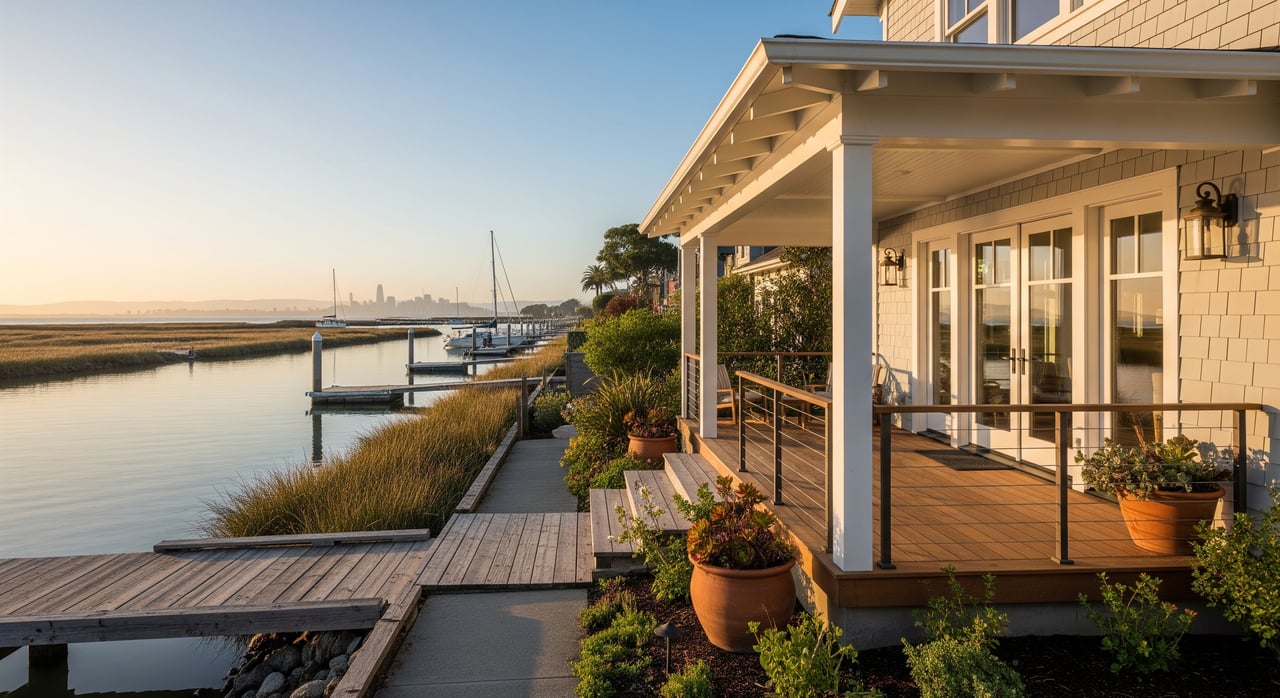
Alameda is a low-lying island city with shoreline on almost every side. You will find historic blocks, marina-front condos, and newer mixed-use areas that each offer a different feel. Proximity to the water, beaches, and ferry service are big draws, and you can prioritize these features based on your daily routine.
Because the island includes older neighborhoods, reclaimed land, and active redevelopment zones, you will want to balance charm and convenience with maintenance, insurance, and long-term shoreline considerations. The sections below help you compare the options.
Neighborhood snapshots
Gold Coast and South Shore
Tree-lined streets, historic Victorians and Craftsman homes, and a classic island vibe define this area near the north shore. Some blocks offer Bay views and easy access to small marinas. You also have walkable access to Park Street’s dining and services.
West End and Alameda Point
This northwest area includes the former Naval Air Station and its ongoing mixed-use redevelopment. You will see newer housing, waterfront promenades, shoreline parks, and the Seaplane Lagoon. It is a good fit if you want modern construction and growing amenities.
Encinal and Fernside
Along the Oakland Estuary, these neighborhoods offer a mix of single-family homes and low-rise condos and townhomes. You are close to public marinas and the Main Street corridor. For some buyers, proximity to ferry service and estuary paths is a key advantage.
Harbor Bay and Bay Farm Island
Connected by bridges and causeways, this southeast area has a suburban feel. You will find mid-century and newer single-family homes, planned communities, and a marina. Commuters appreciate the access to certain bridges and Oakland International Airport.
Shoreline Park, Crab Cove, Crown Beach
This northeast shoreline features beaches, picnic areas, and long stretches of the Bay Trail. Nearby housing includes single-family pockets and small multifamily buildings. It is a favorite for anyone who wants regular beach time and easy outdoor recreation.
Marina and waterfront condos
Across Alameda, you will find condo and townhouse complexes near marinas and the estuary. These communities often come with building amenities, views, and access to slips. They trade lower maintenance for HOA fees and rules that you should review early.
Homes and tradeoffs
- Single-family homes: Historic Victorians and Craftsman houses cluster in Gold Coast and Fernside, with mid-century and newer builds more common on Bay Farm and in parts of Alameda Point. Older homes offer character, while newer homes may reduce maintenance.
- Condos and townhomes: Look for marina-front buildings and infill developments along the south shore and Alameda Point. You get convenience and shared upkeep, balanced by HOA dues and possible restrictions on pets, rentals, or slip assignment.
- Planned communities and new mixed-use: Alameda Point is adding modern housing in phases. Harbor Bay and Bay Farm include HOA neighborhoods with private amenities. Newer systems and energy features are a plus, while evolving surroundings and higher dues may be a tradeoff.
View homes and direct waterfront access often carry a premium and are limited in number. Properties near ferry terminals also tend to move quickly when demand is high. If you love the water but want more options, expand to homes that are a short walk or bike ride from the shoreline.
Commute and daily life
- Ferry access: Alameda is served by San Francisco Bay ferry routes to San Francisco and other waterfront destinations. Living within walking or biking distance of a terminal is a popular choice for a car-light commute.
- BART and bus: There is no BART station in Alameda. Many commuters use AC Transit or drive to nearby stations in Oakland. Vehicle trips rely on the Posey and Webster tubes and a network of bridges, so plan for peak-hour congestion.
- Bikes and trails: Segments of the San Francisco Bay Trail run along Alameda’s shoreline. You can often bike to beaches, parks, and marinas, and some routes work well for commute connections to ferry terminals.
- Recreation and amenities: Crown Memorial State Beach, Shoreline Park, and Crab Cove offer beaches, paths, and educational programs. Park Street and Webster Street anchor shopping and dining, with additional retail at Alameda Point and on Bay Farm.
- Noise and activity: Near marinas and older piers, expect boat traffic and daytime activity. Event days can bring more visitors to waterfront parks. Eastern parts of the island can experience aircraft noise due to proximity to Oakland International Airport.
Risks and due diligence
- Flood risk and insurance: Alameda’s low elevation means flood zones vary by parcel. Check FEMA flood maps and local elevation to understand risk. If a home sits in a Special Flood Hazard Area, lenders typically require flood insurance.
- Sea-level rise and shoreline projects: The City of Alameda studies sea-level rise and plans shoreline resilience measures. Shoreline adaptation work, like levees and seawalls, may influence future access and views. Stay informed on local timelines and projects.
- Geotechnical factors: Liquefaction and settlement risks can be higher in reclaimed areas, including parts of Alameda Point and some marinas. Consider a geotechnical review for low-lying parcels.
- Salt air maintenance: Waterfront exposure can accelerate corrosion and exterior wear. Plan for more frequent paint, roofing, and HVAC upkeep, and review maintenance histories for marina-front condos.
- Waterfront use and access: Public access easements can apply near the shore. Private docks, slips, or piers may require specific permits, and responsibilities often transfer with the property. Verify details through title and local permitting channels.
- Inspections and documents: In addition to standard home inspections, order a seismic or geotechnical evaluation where relevant and a separate assessment for any dock or pier. Sellers should disclose flooding history, settlement, and past repairs. Ask for HOA reserve studies and recent assessments for condo or townhome purchases.
Build your search plan
Start with your highest priorities and let those guide location and property type. Use the criteria below to shape your MLS search and your tours.
Priority: Fast, comfortable ferry commute
- Focus near ferry-accessible corridors like Main Street and Encinal. Look at condos and smaller single-family homes within walking distance.
- Filters: distance to ferry or transit, walk time if available, property type, HOA fee range.
Priority: Historic character on tree-lined streets
- Explore Gold Coast, Fernside, and parts of South Shore for Victorians and Craftsman homes.
- Filters: single-family, year built (before 1950, 1930, or 1900), lot size.
Priority: Newer construction, lower maintenance
- Search Alameda Point and Bay Farm/Harbor Bay for recent builds and planned communities.
- Filters: year built in the last decade, HOA presence, property type (condo or townhome if preferred).
Priority: Marina slip or direct waterfront
- Target marina-front pockets and listings that mention moorage.
- Keywords: waterfront, bay view, marina, dock, slip. Confirm transferability, fees, and tidal constraints.
Useful keywords for Alameda waterfront:
- Alameda Point, Harbor Bay, Bay Farm Island, Gold Coast
- Crown Beach, Shoreline Park, marina or slip, bay view
- Main Street Ferry, waterfront promenade
On-tour checklist
Use this quick list when you visit homes near the water:
- Verify lot elevation and FEMA flood zone, and review local sea-level rise projections.
- Request HOA documents, reserve studies, and any recent special assessments.
- Ask for plumbing, electrical, heating, and roof documentation, especially for older homes.
- If a dock or slip is advertised, confirm permits, maintenance agreements, conveyance, and tidal limits.
- Test your commute by visiting at peak times and try a weekday ferry run.
Market signals to watch
Waterfront and island inventory is typically limited compared to demand. Homes with views or near ferry terminals often sell faster than inland options. Seasonal factors and local openings, such as new phases at Alameda Point or changes in ferry service, can shift buyer interest quickly. Review recent sales and days on market with your agent to set expectations and move decisively when a fit appears.
Ready to explore?
If Alameda waterfront living speaks to you, start by walking the neighborhoods that match your priorities. Visit at different times of day, check the ferry schedule, and note how parks, marinas, and everyday errands fit your routine. When you are ready for a focused plan and on-the-ground insight, connect with Sharon Alva for a free neighborhood consultation. Bilingual service in English and Hebrew is available.
FAQs
What counts as “waterfront” in Alameda?
- In practical terms, it means living on the shoreline or within a short walk of the Bay or Oakland Estuary, with access to beaches, marinas, or waterfront paths.
Which Alameda neighborhoods feel most historic near the water?
- Gold Coast and Fernside offer many Victorians and Craftsman homes close to the shoreline, with tree-lined streets and established blocks.
Is there BART service on the island?
- No, there is no BART station in Alameda, so residents use AC Transit, drive to nearby Oakland stations, or commute by ferry.
How does flood risk affect buying near the shore?
- Lenders often require flood insurance for homes in Special Flood Hazard Areas, so confirm the FEMA flood zone and elevation for each property you consider.
Are docks or boat slips included with homes?
- Some marina-front properties include slips or have access by lease, but terms, fees, permits, and transfer rules vary, so verify details during due diligence.
What maintenance issues come with waterfront exposure?
- Salt air can speed up corrosion and exterior wear, so plan for more frequent paint, roofing, and HVAC upkeep, and review maintenance histories in HOA buildings.
How is daily life different at Alameda Point vs. Bay Farm?
- Alameda Point offers newer, phased-in mixed-use living with promenades and parks, while Bay Farm feels more suburban with planned communities and bridge access.