Why Temescal's Median Home Price Depends on Which House Happened to Sell
August 20, 2026
August 20, 2026
Redfin published two median home prices for Temescal five months apart, and they differed by nearly $200,000. In December 2025, the median sale price across all home types was $1.0 million, down 5.1% from a year earlier, based on seven closed sales that month. By May 2026, the same source put the median at $1,199,596, down a more modest 1.7% year over year. Movoto's own count for June 2026 landed at $749,000 on 11 sales. Zillow's home value index, which tracks estimated values rather than closed sale prices, put Temescal at $1,068,902 as of June 2026, down just 0.1% for the year.
None of this is measurement error. It's what happens when a neighborhood's headline price is built from a handful of transactions that aren't actually describing the same market. Temescal isn't one housing market wearing one price tag. It's two markets, moving at completely different speeds, and whichever one happens to close a sale in a given month decides what number gets reported.
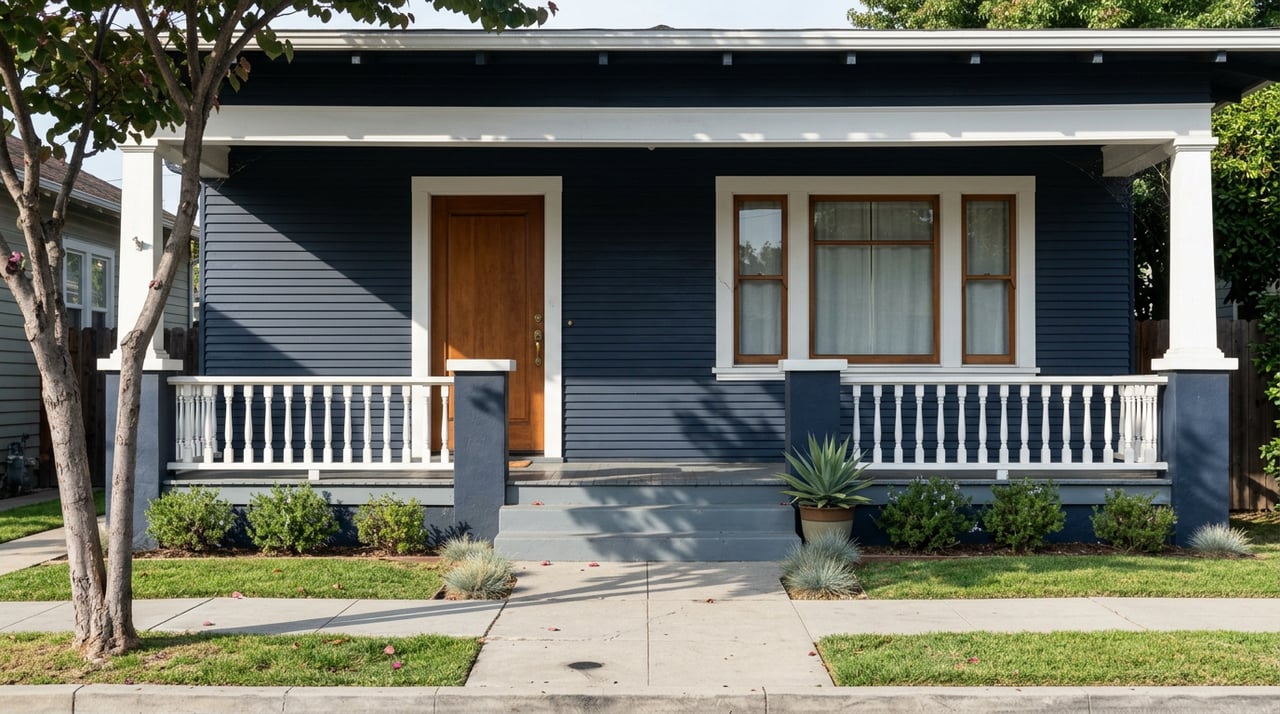
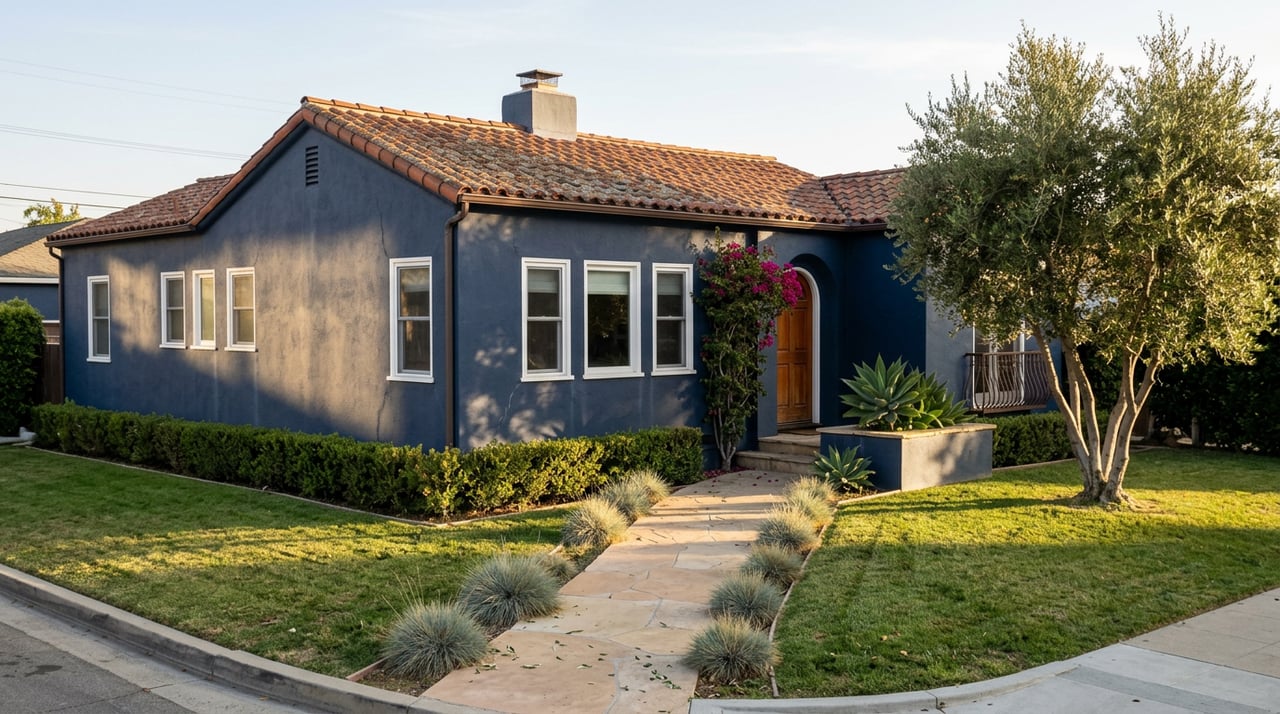
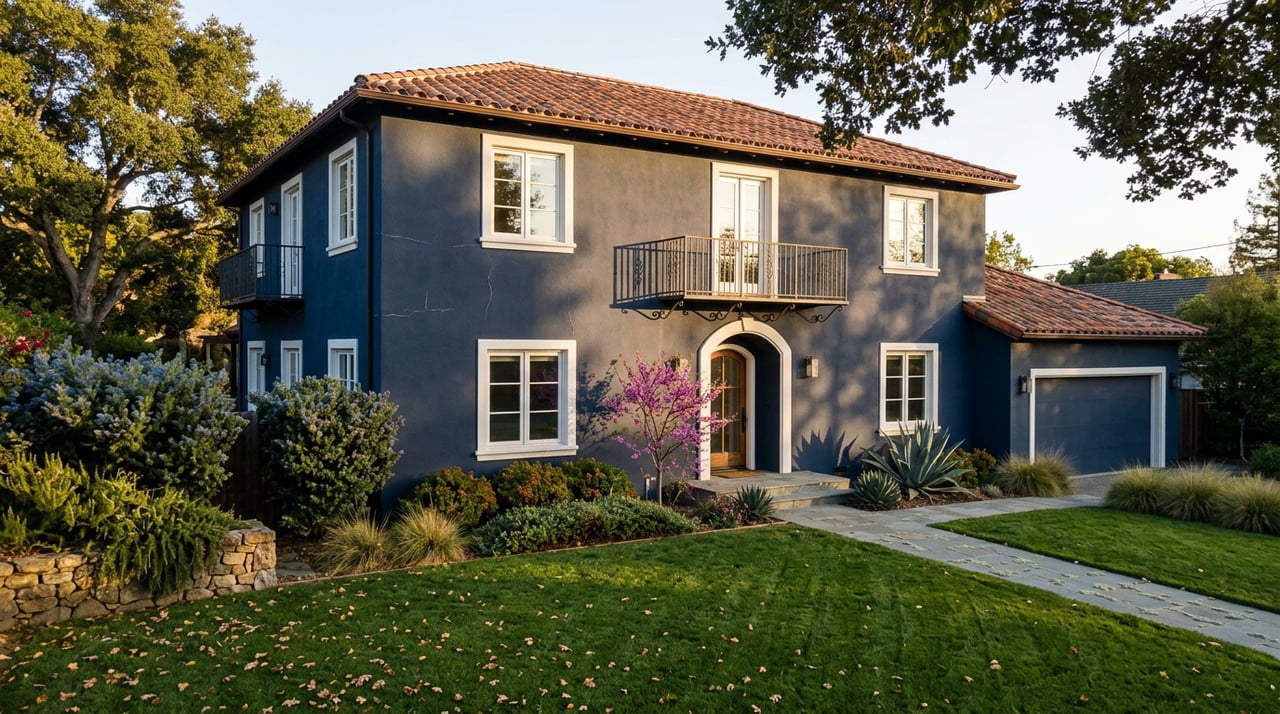
Walk Temescal's core blocks off Telegraph Avenue and you'll see the split before you see a single listing sheet. There are the century-old California bungalows and Craftsman homes, the kind that draw owner-occupants willing to compete hard for a place near Bakesale Betty and Temescal Alley. And there's the older stock of duplexes, triplexes, and small apartment buildings, many of them century-old conversions held by longtime owners or investors, that make up a much larger share of Temescal's housing than the single-family numbers suggest.
Redfin's data shows why treating these as one market produces noise instead of signal. On the single-family side, homes in Temescal typically go pending in around 14 days and sell for about 13% above list price. Hot listings do even better, going pending in roughly 9 days and selling at about 26% over asking. On the multi-family side, the picture flips. Redfin's dedicated multi-family page for Temescal shows a median listing price of $1.34 million, with most of these properties sitting on the market for around 430 days before they sell. In the same recent month Redfin tracked, six houses changed hands in Temescal, alongside two condos, one townhouse, and two multi-family listings, a level of activity so small that a single unusual sale can swing the blended median by six figures.
| Single-family homes | Duplex / triplex / small multi-family | |
|---|---|---|
| Typical marketing time | About 14 days (hot listings: 9 days) | About 430 days |
| Price behavior | ~13% over list (hot listings: 26% over) | Median list price $1.34 million, often unchanged after long exposure |
| Typical buyer | Owner-occupant, competing against other offers | Investor or long-hold buyer, comping on rent roll and condition |
| Recent volume | 6 houses sold in a recent one-month window | 2 multi-family listings in the same window |
Put those two rows side by side and the neighborhood "median" stops meaning much. A month where a well-updated Craftsman on a quiet block closes fast and over asking pulls the number one direction. A month where an aging fourplex finally finds a patient buyer after more than a year on market pulls it the other. Neither transaction is wrong. Neither is representative of the other segment. The published median is just whichever one happened to close.
The gap between roughly 14 days to pending and about 430 days on market isn't random. It traces back to what Temescal's multi-family buildings actually are, and to a zoning decision that kept them that way.
Much of Temescal's multi-unit housing is old. Listings that turn up on the market describe 1940s stucco duplexes paired with detached cottages from the 1910s and 1880s on the same parcel, the kind of layout that reads more like a small compound than a modern apartment building. That's not unusual for the neighborhood. It's the norm, and it means most multi-family buyers are underwriting deferred maintenance, older systems, and rent rolls rather than move-in-ready finishes, which naturally slows the sales cycle.
Zoning locked much of that in place. During Oakland's 2022 Missing Middle housing element rezoning process, the city's own planning proposal limited upzoning in a handful of higher-rent, high-resource neighborhoods, including Temescal, Lower Rockridge, Trestle Glen, and Crocker Highlands, leaving many parcels along the College and Claremont corridors capped at a 35-foot height limit. Housing advocates flagged at the time that this made it unlikely those blocks would see much new three- or four-unit construction, even close to transit. The contrast with what's happening next door is telling. In March 2026, Oakland's city council voted to proceed with upzoning around the Rockridge BART station under the state's SB 79 transit density law, with the possibility of similar changes extending to other BART-adjacent neighborhoods. Temescal's own MacArthur BART corridor hasn't seen that same treatment yet. Until it does, the neighborhood's multi-family stock stays old, its resale pool stays thin, and its typical marketing period stays measured in months rather than weeks.
There's a demand-side reason the split matters as much as it does. Temescal is a renter-majority neighborhood. Roughly 72% of residents rent rather than own, which means the pool of owner-occupied homes available to trade hands in a given year is already small relative to the total housing stock. Add a multi-family segment that turns over once every year or more, and you get a neighborhood where a handful of single-family closings can carry the entire published median on their back.
If you're comparing Temescal to Rockridge or Montclair using a headline median, you're likely comparing a fast-moving bungalow market to a slow-moving building market without realizing it. The practical fix is simple: ask what actually sold to produce that number, not just what the number says. A $1.2 million median built on six house closings tells you something different than the same figure built on two multi-family sales.
It also means competing on a single-family listing in Temescal still requires the same posture the Redfin data implies: multiple offers, 13% over list on average, and a real chance you're up against buyers willing to go 26% over on the right block. Waiting for the market to "cool" based on a median that dropped 5.1% one December doesn't mean bungalows got cheaper. It may just mean fewer of them sold that month.
For sellers, the same math cuts the other way. If you own a well-kept single-family home near Telegraph Avenue, the comps that matter are other houses, not the fourplex three blocks over that's been sitting since last spring. Pricing off a blended neighborhood median risks leaving money on the table in a market where houses typically go pending in 9 to 14 days amid multiple offers.
If you own a duplex or triplex, the opposite caution applies. The roughly 430-day typical marketing period for that category isn't a sign something is wrong with your building. It's the category. Buyers for these properties are underwriting rent rolls, deferred maintenance, and long-term hold economics, not competing in a bidding war, and pricing patience into the timeline from the start avoids the frustration of chasing a number that assumed a single-family sales pace.
Why did one source report Temescal's median near $1.2 million while another reported under $750,000 in roughly the same window? Because they're counting different transactions. Redfin's May 2026 figure and Movoto's June 2026 figure both reflect actual closed sales, but Temescal's monthly sales count is small enough that the property mix, not a shift in the broader market, drives most of the swing.
Is Temescal currently a buyer's market or a seller's market? It depends which Temescal you mean. The single-family segment behaves like a seller's market, with fast sales and prices above list. The multi-family segment behaves like a buyer's market, with long marketing periods and patient negotiation. Both are true at once.
Does the 2022 rezoning decision mean more duplexes are coming to Temescal? Not based on what's been adopted so far. The height caps set during that process remain in place along much of the College and Claremont corridors near Temescal, even as neighboring Rockridge saw a different outcome around its BART station in March 2026.
If you're trying to figure out which Temescal market you're actually shopping or selling into, that's exactly the kind of read a headline number can't give you. East Bay Digs works this neighborhood block by block, not just median by median. Get a free neighborhood consultation and find out what your specific street, and your specific segment, is really doing right now.
This article is general information, not legal, tax or financial advice. Consult a qualified professional about your situation.
October 15, 2026
October 8, 2026
October 1, 2026
September 24, 2026
September 17, 2026

September 10, 2026

September 10, 2026
September 3, 2026
August 27, 2026
Get assistance in determining current property value, crafting a competitive offer, writing and negotiating a contract, and much more. Contact me today.